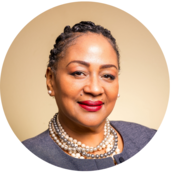
While I appreciate diverse perspectives on how we best combat the overdose epidemic that is ravaging communities around the country, I also want to be clear about how GLIDE is responding to this challenge every day.
At GLIDE, we offer a 360 degree, personalized approach to treat substance use disorder. This approach includes introducing safer drug use habits to prevent intentional overdoses and the spread of disease, medically assisted treatment (including referrals for methadone and suboxone), detox/inpatient bed referrals, and everything along the continuum of care.
It includes the needs of drug users and non users alike with the goal of creating safer, healthier communities for everyone. We offer a series of twelve step programs for people needing abstinence-based recovery environments and the demand for these groups has been tremendous.
As the President & CEO of GLIDE, my job is to lead a love agenda. Every day, we invite people into our doors who are in need of physical, mental, and spiritual healing from so many afflictions in our world. When we lead with this kind of unconditional love, we see people who experience a true sense of the word recovery – a return to a healthy state of mind, body, and spirit. When you have a healthy GLIDE, you have a healthy San Francisco.
I’m a sixth generation San Franciscan. I grew up in the Bayview during the crack and heroin epidemic. I saw people I love suffer because of their addiction. I saw families torn apart as they fought to keep their kids and community members safe.
What did not work during this era was to shame people, to judge them, and to try and arrest our way out of it. What we know worked then and works now is surrounding people with a deep sense of love, radical inclusivity, and community – and the resources to offer a strong response to the core issues that drive addiction. This is the commitment of GLIDE’s programs and we know they work!
When I think about what we’re going through everyday, I channel the legacy of my predecessor, Reverend Cecil Williams and Janice Mirikitani. They never turned away from the challenge of addiction that was rampant in San Francisco during the 80s and 90s, and they certainly never shamed a person struggling with the disease. They invited them in to share their stories, to lessen their pain, to help them heal on the road to recovery.
During one of those gatherings, Rev. Williams described how “All of those gathered stood up together. The GLIDE staff, Black community leaders, addicts, prostitutes, and grandmothers–poor, wealthy, illiterate and educated– we told our stories of recovery. We told our stories of faith and our stories of resistance.”
This is my love agenda. This is the pulse and the heartbeat of GLIDE. We know what works to create a more loving, just, and healthy society in which all people flourish.
I invite you to be part of it. Come by GLIDE and see our work first hand. Our doors are always open for you!
Dr. Gina Fromer GLIDE President & CEO
GLIDE started the Social Justice Academy (SJA) as a community learning center to catalyze the wisdom and expertise of those affected by systemic inequities.
In April, we launched our inaugural cohort of nine women, each of whom has experienced systemic inequities like homelessness or incarceration. Over the past 12 weeks, the cohort has met weekly to practice and grow as community organizers and policy advocates.
The last several weeks of the program have focused on City Hall. We started by scheduling meetings with the District 5 Supervisor, Dean Preston, and staff from the Mayor’s Office. Supervisor Preston told us about his office’s work protecting renters and keeping them in their homes.
At the Mayor’s Office, we talked about improvements for San Francisco’s transportation system. The cohort also got a peek at life working inside of City Hall.
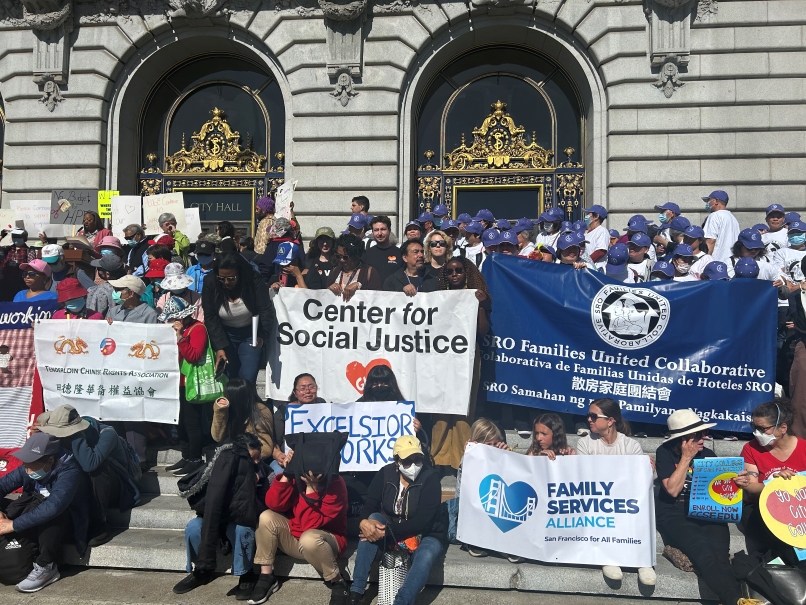
Last week, the group returned to City Hall to put our advocacy skills into practice. We were there to do a “walk-around,” knocking on the door of each supervisor and asking them to meet with us briefly about our issue. We first gathered in the North Light Court to review our agendas.
The issue we were advocating for was city funding for the next cohort of the Social Justice Academy, which is currently at risk of being cut. The women split into groups of three and started to workshop their stories. Each one brought moments from the last three months that illustrated to them why this program was so important. One shared she had been doing advocacy for 25 years but gained the confidence to do it in-person only through this program. Another shared that she hadn’t even considered herself an advocate for her community before joining.
After working in small teams, we gathered in a large circle to practice in front of each other. Our Advocacy Manager, Erick Arguello, was our mock supervisor. The nerves were very real, but each person was excited to tell their story.
We workshopped our presentations all together, then went upstairs to knock on supervisors’ doors. We talked to the staff of four supervisors, including two heading this year’s budget. In each office, a different woman took the lead explaining our program and our goals for being there. Then the group shared their stories about how the program affected them. By the end of the visit, the group was already brainstorming next steps to keep up the pressure.
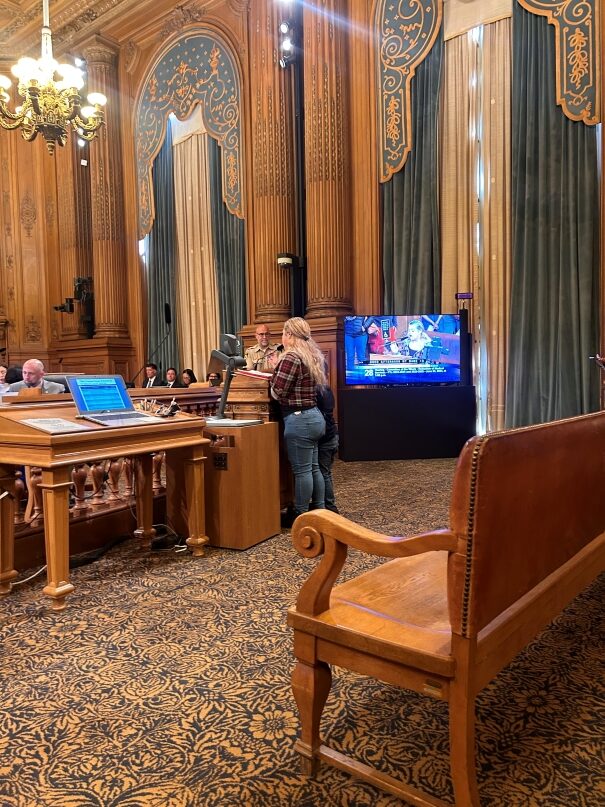
SJA participant Shirley Leiva speaking to the San Francisco Board of Supervisors to not cut public health programs, including the Black Health Community Action Team
This program has provided a route forward for many community members who have been denied opportunities to be leaders. “I have learned about not only advocacy for childcare and education but also for hunger, for those who are formally incarcerated, and about re-entry, addiction and how to keep people healthy. I have learned how to fight the right way in words,” said fellow Margaret Wilson.
“I remember asking myself one day while I sat in the cell, what can I do to help? For fellow inmates that were with me but had no voice. And when I came out of Santa Rita County jail in Alameda, I got connected to Glide for the Social Justice Academy. It turned my spirit. It turned my mind and inspired me so that I can have a voice on behalf of my fellow formerly incarcerated and those that are still incarcerated that do not have a voice.”
We will focus on community-based research in the next few weeks before graduation. Fellows will explore surveys, focus groups, and document-based research as tools for conducting their own research and developing solutions to the problems they see facing their communities.
Fellows have also made time outside of our weekly meetings to do a range of activities: voter education at San Francsico’s Juneteenth parade, lobbying in Sacramento for food access, and rallying for HIV services and programs. They’ve networked with other leaders, experienced different types of work, and grown confidence as advocates.
Workshops on topics like social media for advocacy and telling your personal story have helped fellows develop their own style and understanding of advocacy work. And the group learns just as much from each other every week as they do from presenters. It’s a special group who are never afraid to ask questions, give their opinions, and show how much they care.
“The Women’s Social Justice Academy offered many opportunities to network with inspirational women leaders from various sectors,” said Shauneke Roberson.
Summing up her experience, Shauneke had this to say: “Through guest lectures, panel discussions, and informal meet-and-greet sessions, I connected with activists, policymakers, and entrepreneurs who are making significant strides in social justice. These interactions were invaluable, as they provided me with insights into different career paths, the challenges these leaders have faced, and the strategies they have employed to overcome them. This experience broadened my perspective and motivated me to pursue my goals with renewed determination.”
Glide Memorial Church opens its doors to those suffering from addiction
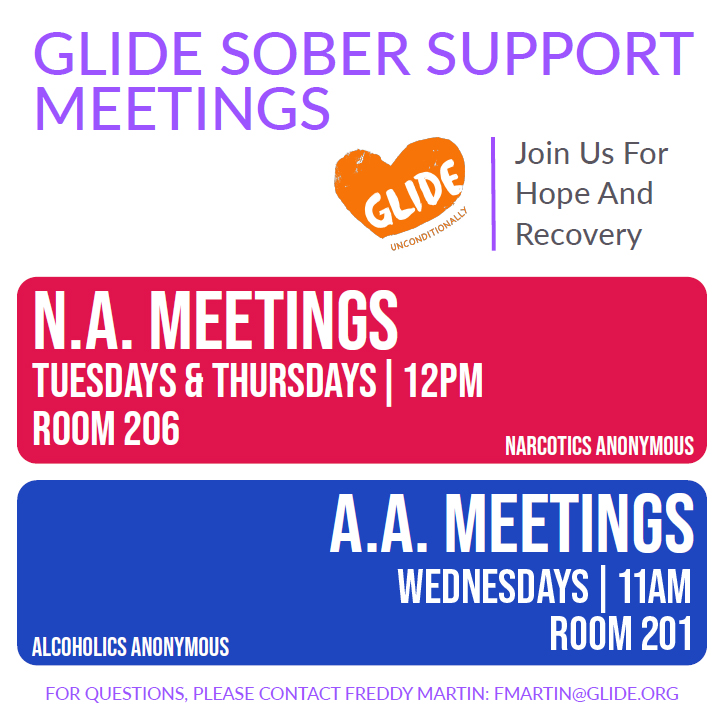
Glide Memorial Church has opened its doors to those suffering from addiction. Narcotics Anonymous (NA) group meetings happen every Tuesday and Thursdays from 12:00 pm. Alcoholic Anonymous meetings are currently scheduled on Wednesdays at 11:00 am.
Starting this past April, GLIDE Memorial Church began featuring sober support groups as part of its weekly offerings. The groups are open to anyone and are a safe space for those to come and go as they please. The only requirement is that you want to stop using narcotics. If you are not a recovering narcotic addict you may observe but are requested not to speak or share during the meeting.
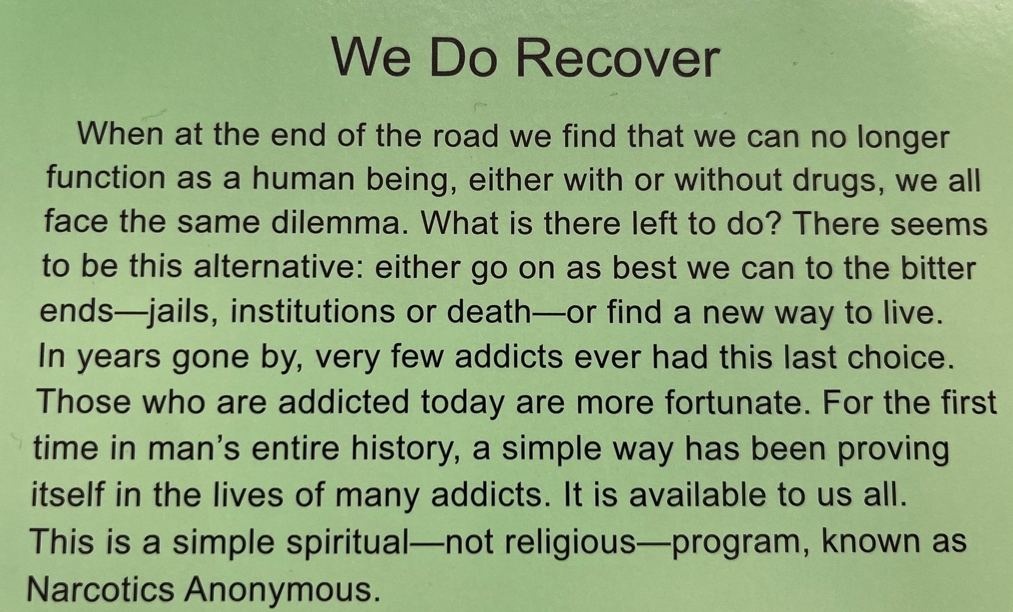
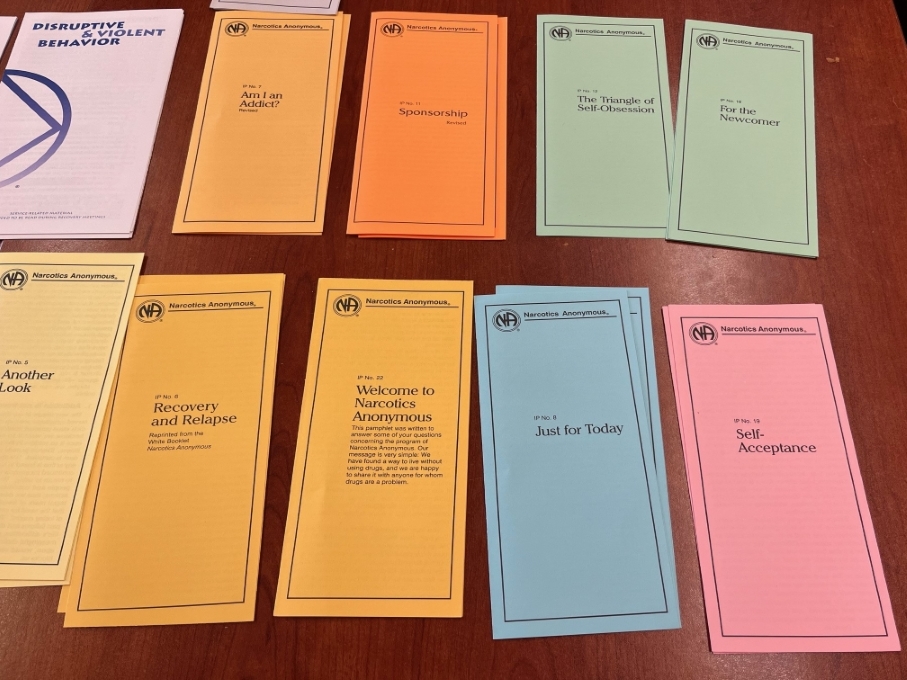
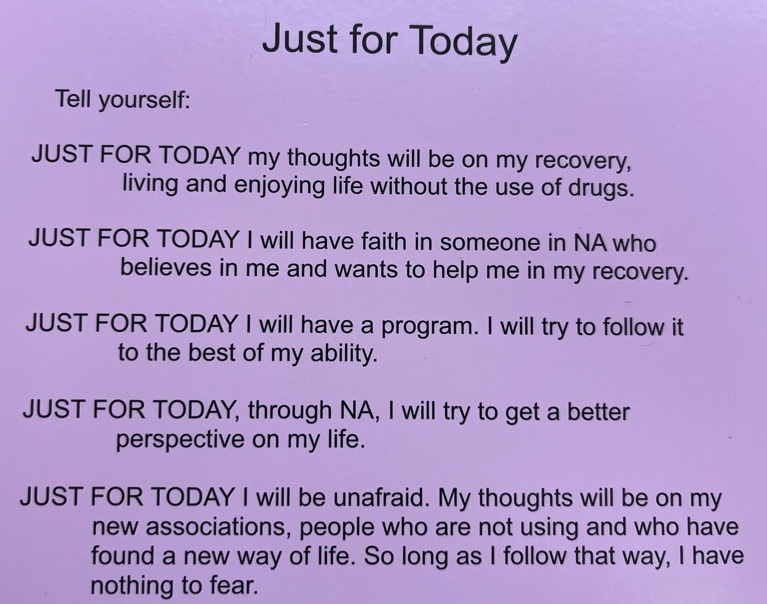
NA group meetings begin with participants reading from colored placards placed on a table. They cover subjects ranging from recovery, affirmation, and the mission of every addict: to not fall back into addiction.
At this most recent NA meeting, five individuals showed up, each eager to share a little bit of their story and how they are coping since they embarked on a journey of drug abstinence.
“I’m an addict. All the people I’ve hurt are a result of my addiction. I have only myself to blame,” said Dennis, who volunteered to lead the meeting.
Dennis took out his mobile phone and out came a calming voice from a meditation app that encourages participants to stretch their spine, close their eyes, and clear their minds. It is a message that asks one to be mindful and focus solely on the moment at hand.
The NA group began meditating. 15 minutes later, when they open their eyes, Dennis encouraged each person to introduce themselves.
“Hi. My name is Alain. And I’m a crystal meth addict. I’ve been sober for the past 2.5 months. In that time, I’ve seen other addicts go through an amazing transformation once they’ve reached sobriety.”
For addicts, it can be very frustrating to get sober because of their desire for instant results, according to Alain. Your self-esteem can take a serious hit. “What matters is that you be easy on yourself and work to stop harming yourself and others,” said Alain.
“Hi. My name is Victoria. And I’m a drug addict. I grew up in Fresno. I started using and selling drugs when I was in the 7th grade. First it was weed, then PCP, and then I got into the powders in my late teens. I ended up being in and out of jails and prisons due to my selling of drugs and I lived in that culture for decades.”
For Victoria, who transitioned from being a man to a woman, living that type of life led her down a perilous path, including losing one of her arms in a terrible car accident. “When I was in the hospital, none of my friends came to see me. I was totally alone.”
Victoria eventually made her way to a WestCare facility in 2022 when she received her sobriety date. She came to realize that she needed to focus on herself and find the beauty inside of herself.
“In hindsight, the car wreck was a blessing. If I hadn’t been bit by that car and lost my arm, I’d still be heading down the materialistic path of destruction.”
She has begun volunteering at the Women’s Recovery Program in Santa Rosa and serves as a peer support specialist. She’s also attending school to become a certified drug and alcohol counselor.
“I now want to be of service to others. Helping another person is so rewarding. What’s important to me is having positive relationships and interactions with your fellow human beings,” said Victoria. “Above all else, I want to help people.”
When the hour was up, the group stood on their feet, held hands, and recited a portion of theologian Reinhold Niebuhr’s most famous prayer, the Serenity Prayer.
God, grant me the serenity to accept the things I cannot change,the courage to change the things I can,and the wisdom to know the difference.
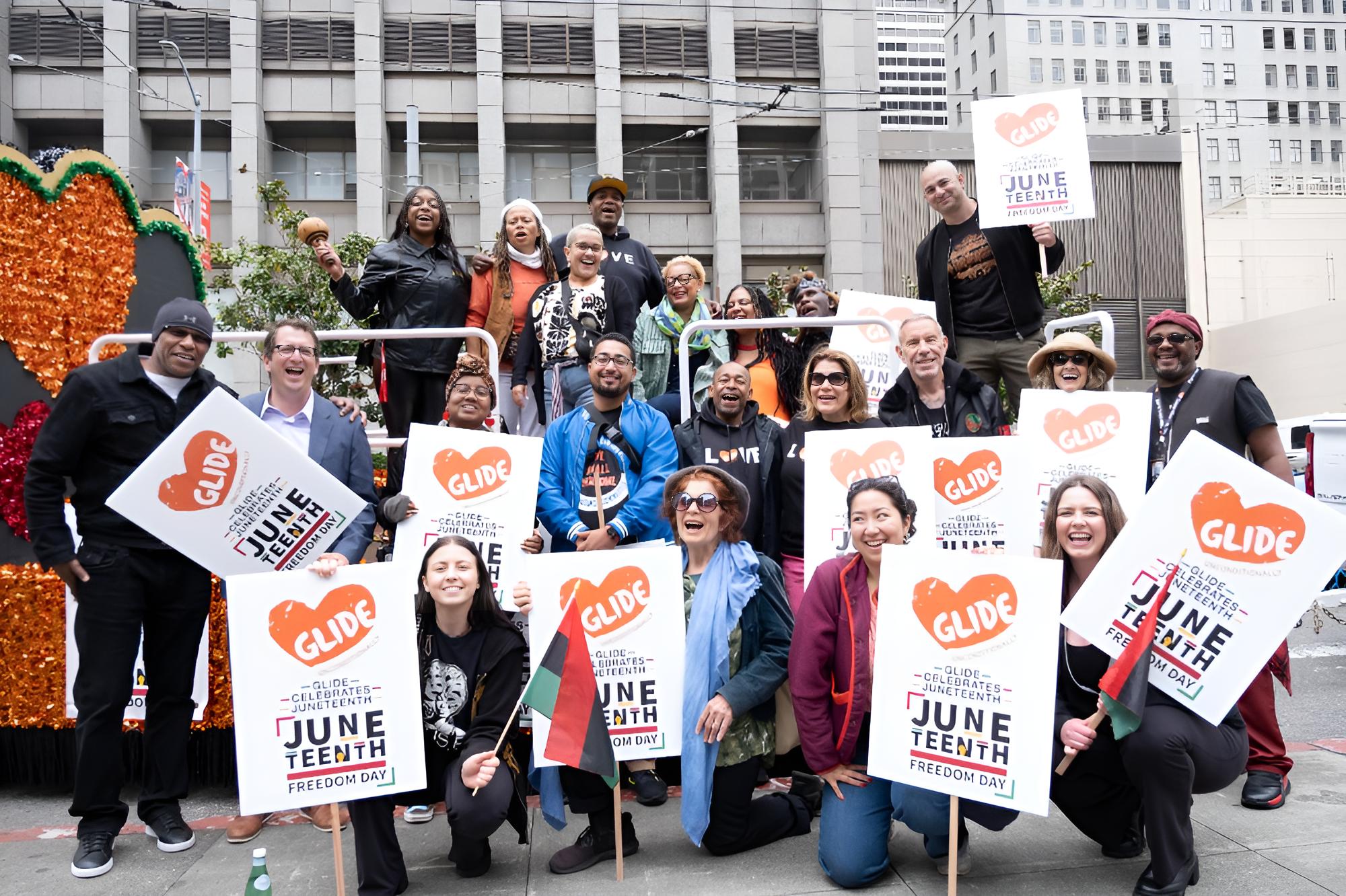
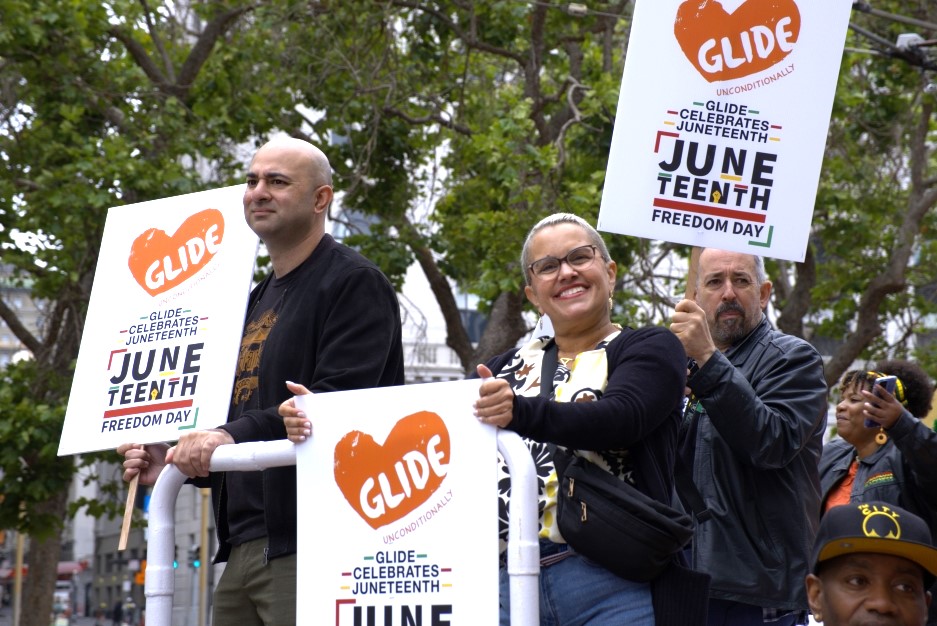
Happy Juneteenth!
Juneteenth, officially Juneteenth National Independence Day, is a federal holiday in the United States. It is celebrated annually on June 19 to commemorate the ending of slavery in the United States.
So, what happened and how did Juneteenth start:
The Emancipation Proclamation of 1863 freed enslaved people in Confederate states, but it did not immediately end slavery in places such as Texas that remained under Confederate control.
Two and a half years later, on June 19, 1865, Union troops led by Maj. Gen. Gordon Granger arrived in Galveston, Tex., and announced that more than 250,000 enslaved Black people in the state were free. (Nationwide emancipation would come only with the ratification of the 13th Amendment later that year.)
For Black people, the news was a moment of “indescribable joy” that was met with large celebrations in Texas. Also known as Freedom Day, Jubilee Day, Juneteenth Independence Day and Black Independence Day, the day remains deeply significant for the community.
Juneteenth is a bitter symbol of just how long African Americans have struggled for true freedom. While the announcement in Galveston was met with jubilation, I encourage you to sit for a moment with the knowledge that this blessed moment of liberation did not arrive for a full two and half years after slavery’s official end.
Despite this heaviness, we embrace the vibrant celebration of Juneteenth as a day of reflection and cultural pride. We can honor African American history and the strength of our African ancestors while acknowledging that our sacred work is not done.
As we continue the fight against systemic injustices in our community and around the world, it’s important that we share and learn from one another’s experiences and histories.
In lifting our stories, particularly those of triumph and achievement, we can continue to move forward together on a path with unconditional love and acceptance that GLIDE is built upon.
This Juneteenth, I am thinking about the tremendous achievements and contributions that Historically Black Colleges and Universities play in supporting the economic mobility of African Americans. In fact, the majority of HBCUs were founded directly after the Emancipation Proclamation. It is this rich tradition of HBCUs that we celebrate as they have created pathways for so many African Americans to flourish.
According to a report by the Biden-Harris Administration, HBCU graduates comprise:
● 40 percent of all Black engineers
● 50 percent of all Black teachers
● 70 percent of all Black doctors and dentists
● 80 percent of all Black judges ● And the first woman and Black and South Asian Vice President of the United States
This would bring new activity and development to our downtown and attract promising young talent to San Francisco. In addition to providing a great asset to the community, it would create new paths and opportunities for African American students to learn amongst our city’s most successful businesses and GLIDE.
This is part of the City’s plan to revitalize our neighborhood. Changes are underfoot today for GLIDE to take an active role in contributing to the well-being of our community on 330 Ellis Street and surrounding blocks.
But with each new step forward, there will be those who seek to halt our progress and path of unconditional love.
There are well-resourced groups fighting every day to undo many of the programs and opportunities that have enabled progress among underrepresented groups. One example of the obstacles we continue to face is a recent Appeals Court ruling that a venture capital firm’s grant program to support Black women business owners, the Fearless Fund in Atlanta, is discriminatory.
In the article linked above, the Fearless Fund’s lawyer Alphonso David, described the ruling as “the first court decision in the 150+ year history of the post-Civil War civil rights law that has halted private charitable support for any racial or ethnic group.”
At GLIDE,we will also be fearless in our fight for freedom, justice, and equality.
It is vital that we work to create new avenues for an equitable and just society here in San Francisco and beyond. Your voice, your advocacy and your votes will play a crucial role in cementing the gains we celebrate on Juneteenth, and in creating new opportunities for success in the years to come!
Roberto Vargas Associate Director, Center for Community Engagement &Senior Staff, Clinical and Translational Science Institute, UCSF
Dismantling anti-Blackness in a full embrace of ourselves
Last year, I decided I wanted to do a deeper dive into the history of the African Diaspora in Latin America, and some histories of African American solidarity with La Raza peoples in the United States.
I wanted to do this not only for my own learning but also to share with my colleagues at UCSF during Black History Month.
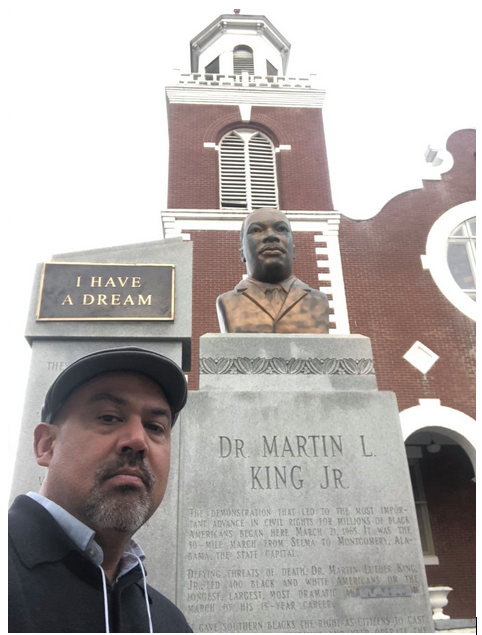
The Equal Justice Initiative’s Museum in Montgomery, Alabama reminded me of the extensive African presence in Latin America through their animated maps of the Trans-Atlantic Human Trafficking of African people into the Americas.
Those animated maps help demonstrate a fact that stunned me when I first learned it: approximately 80% or more of the people trafficked out of Africa in bondage were brought to the Americas between the Carribean and South America, and only about 6-10% of those people ended up in British North America, or what would ultimately become the United States.
I was aware of these histories through my Ethnic Studies education at San Francisco State University in the 90’s, but that was several decades ago. I needed a refresher, and I wanted to share these histories with my colleagues, so many of whom have not had the great blessing of an Ethnic Studies education—inspired by the education offered us by the Equal Justice Initiative.
I want people to understand that as “Raza Latina,” — roughly translated as a “Latin Race” — we are a diverse group with multiple ethnic and racial backgrounds. These labels used to identify us, such as Latinx, Hispanic, and Latiné, focus on our European ancestry, but ignore our Native and African roots, just like many of our own family histories do.
This is rooted in White Supremacy. Racism. Both at the societal level and at the level of families and individuals who proudly lift up our European ancestry but ignore or deny our ancestors native to the Americas or Africa.
I created a slideshow to introduce people to the history of how nearly six times the number of African captives were brought to the Caribbean and Central and South America, as compared to North America.
I recounted the stories of various Quilombos, which were often small nations or fortified settlements comprised mainly of Africans seeking freedom from slavery, alongside indigenous and non-conforming Portuguese or Spanish individuals who rejected the racial hierarchy imposed by Portuguese and Spanish colonizers in colonial, mostly port-based settlements.
I shared that one major difference between British colonies and colonies of the Spanish was that the Spanish allowed for inter-marriage. While both systems of White Supremacy relied on the establishment of a Caste system that determined power relations based on phenotype—how we look—the Spanish version required an elaborate hierarchy based on the many mixtures of Native, African, and European lineage.
In my research, I found several versions of this social pyramid, but every version placed people with lighter skin at the top and those with more African features at the bottom. This is the genesis of anti-Blackness in the Americas. It was the genesis of racist ideology in the Americas, even preceding that first ship to land in the British colonies in 1619.
Sharing these histories help people understand that the people known as Latinos are also often descendants of Africans—like I am—though that history is unknown to current generations my family, and only revealed in our curly hair and now a DNA analysis.
I want people to know that anti-Blackness was imposed as part of our collective process of colonization, and I want people to know this at the same time I extend an invitation to us all to decolonize. Ourselves, our histories, and our institutions. Our minds.
We must re-Indigenize and re-Africanize ourselves. We must embrace all of who we are, as part of our collective healing. And as an invitation for us to understand that White Supremacy was imposed on us long ago. With a consciousness of these facts and this history, we are invited to abandon anti-Blackness not merely in solidarity with Black people, but as an embrace of our full selves.
I also shared the history of La Raza solidarity between the Brown Berets and the Black Panthers in the SF Bay Area during the San Francisco Strikes of 1969 that helped produce the only School of Ethnic Studies in the world. They joined forces to feed children, support families, and combat police brutality within our communities, and I am proud to say that my family was part of that important work.
The Young Lords Party in Chicago and the Bronx stood in solidarity with the Black Panther Party, fighting for equity in garbage collection, access to vaccinations, and Patients’ Rights at Lincoln Hospital in the Bronx. The important community-based, grassroots efforts were some of the earliest efforts and successes of environmental justice, access to care and patients’ rights activism.
I shared stories of our work across Black, Brown, and Asian and Pacific Islander communities in San Francisco—in partnership with UCSF—to reduce chronic disease inequity. The stories I shared help to dismantle the narrative that our communities are in competition, or in conflict.
All these stories I shared as part of a collective effort to dismantle anti-Blackness, and to see examples throughout hundreds of years of our collective alignment for liberation.
In the future, I would like to lift up the many stories of white people who risked or lost their lives in the struggle for liberation of Black and indigenous people. Those too, are histories that must be told and known, so that white people are not left with the misconception that they only descend from oppressors, or that they must only either identify with oppressors or be ashamed of their ancestors.
I want white people to identify with brave freedom fighters like John Brown. Or non-violent abolitionists who risked everything to support the Underground Railroad. I hope that through these histories, we will be inspired to do more for racial and social justice. It is my wish that we will feel compelled to do more for our collective liberation from racism and other forms of oppression.
And in this way, I hope to help foster the learning and coalition-building that I believe to be two important elements of what we gain by way of this beautiful and imperfect experience we know as the Alabama Pilgrimage, #PursuingProgress.
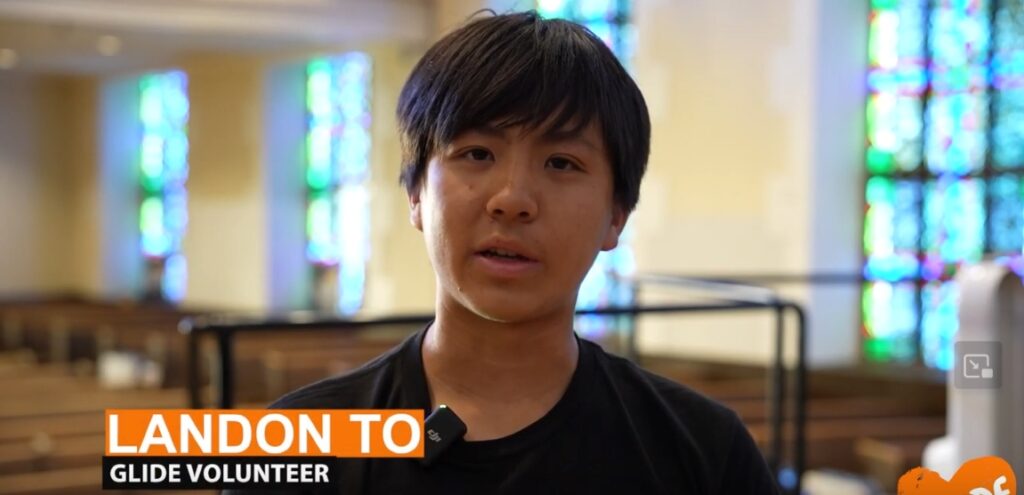
For 16-year-old San Francisco native Landon To, the mission to serve the less fortunate shows no signs of slowing down.
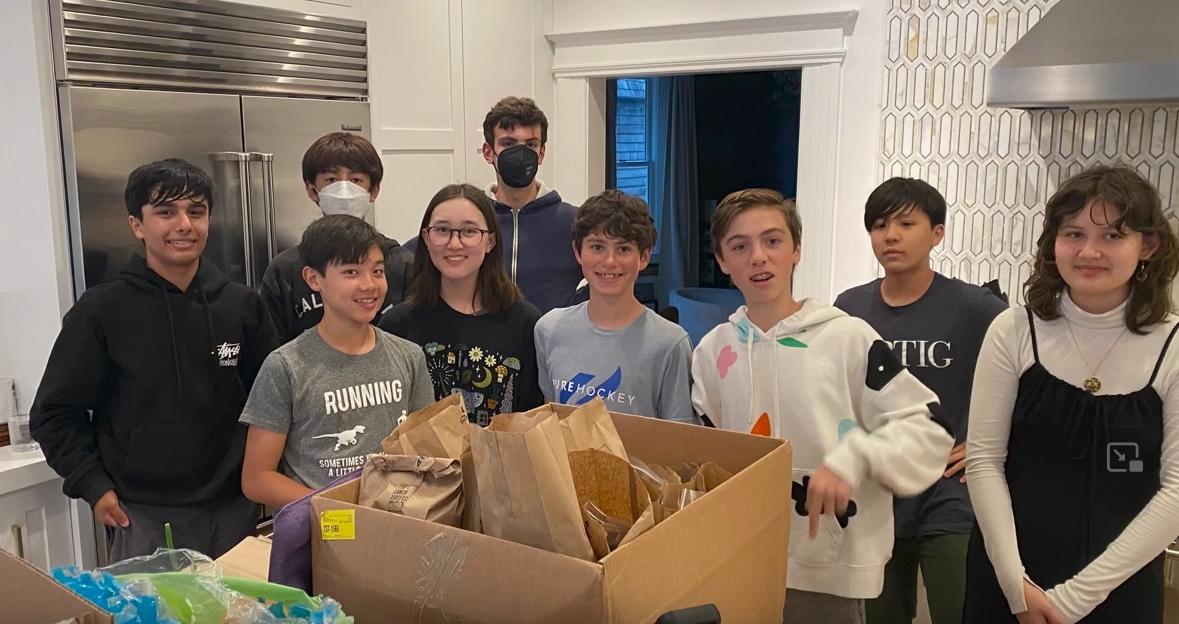
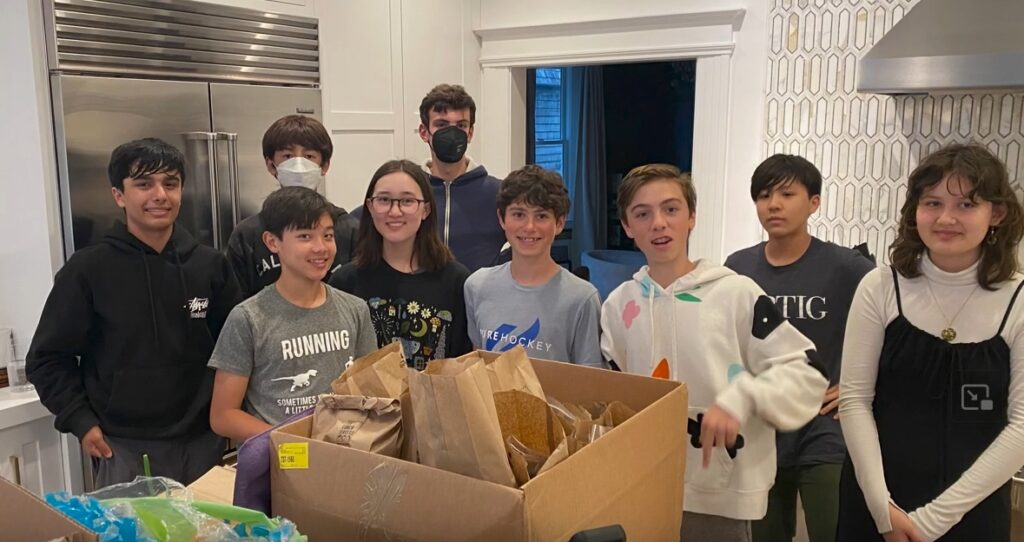
Over the past few years, Landon involved himself in a student-led group called The Lunchmakers. The volunteer group puts together free lunches that are distributed monthly to various communities here in the Bay Area. GLIDE first caught up with Landon back in 2023, when he was distributing lunches to the hungry in the Tenderloin.
To financially support this endeavor, Landon applied for a $500 grant through Youth Services America, which paid for the cost of making and delivering lunches. Fast forward, and Landon has done it again!
This time, Landon was the recipient of a $500 grant from the Heartwarming Project, a program supported by The Hershey Company, and designed to help kids and teens develop important social and emotional skills while celebrating the power of connection. Hershey sponsors programs that use social-emotional learning techniques to boost mental wellbeing and equip young individuals for success in education and employment.
Landon will use the Heartwarming Project grant to engage 50 more youth volunteers during Youth Service Month (April/May) to encourage them to create Lunchmaker programs of their own.
Landon To packing lunches with fellow GLIDE youth volunteers
For Landon, this grant only reinforces his deeply held commitment to helping others, while inspiring his peers at the same time.
“A lot of people see community service as something of a chore, or something they have to do,” said Landon. “But I think that’s the completely wrong way to look at it. If you start from a young age, community service can become normalized, like if you were to do it every weekend, then it just becomes part of your normal routine. It’s not a “I have to do this” type of activity. “
For Landon, if you start volunteering when you’re young and make public service a part of your life, it develops positive attributes like kindness and consideration of others.
Landon enjoys working with GLIDE. As a student at San Francisco Urban High School, Landon is devoting time to school projects that actively align with GLIDE’s values.
In his words, “GLIDE is easy to work with and has welcomed me. I plan to continue my partnership with GLIDE as long as they’ll have me.”
Dear GLIDE Community,
I am delighted to celebrate this Asian American, Native Hawaiian, and Pacific Islanders Heritage Month with you!
People of AANHPI heritage are deeply woven into the historical fabric of San Francisco, and a vital component of our lived experience at GLIDE. From the legacy of our beloved co-founder, Janice Mirikitani, to the many dedicated GLIDE staff, volunteers and clients, the AANHPI community is a cherished and valuable part of our beloved GLIDE family.
I encourage you to reflect on the contributions of people of AANHPI descent to the entire Bay Area, from building the very foundations of San Francisco to the rich cultural diversity that continues to bless us all. I hope you will join me in uplifting their contributions and resilience.
We know that our work towards social justice and radical inclusion at GLIDE is never done. Food insecurity, unaffordable housing, and anti-Asian violence continue to plague us nationwide, especially here at home.
These challenges bring people through our doors every day– from elderly clients who come to GLIDE because they just can’t afford a third meal of the day on their own to young parents whose children attend our preschool while they work to support their families.
All the while, according to a national survey by the group Stop AAPI Hate, nearly half (49%) of Asian Americans and Pacific Islanders experienced some form of race-based hate in 2023. We know these acts are the despicable byproducts of systemic history of stereotyping, silencing, and discriminating against the AANHPI community.
At GLIDE, we will never stop fighting for our vulnerable neighbors and friends in the AANHPI community, even as we celebrate their triumphs and elevate their voices and contributions.
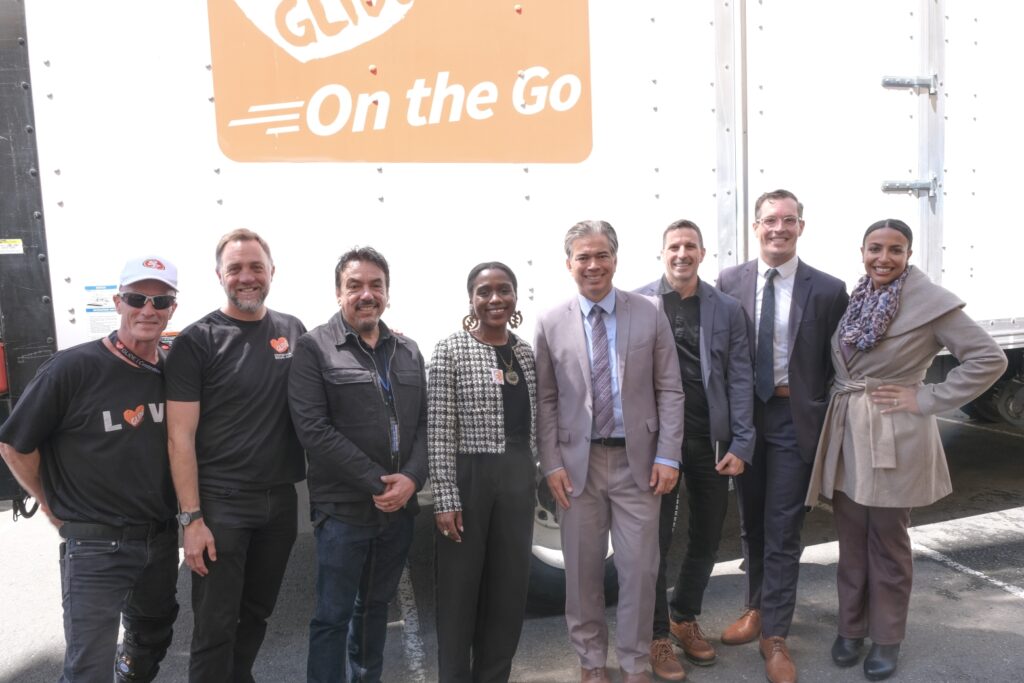
California Attorney General Rob Bonta (4th from the right) visits with GLIDE staff in April of 2024.
Last month at GLIDE, we were honored to host California Attorney General Rob Bonta–the first person of Filipino descent and the second Asian-American to occupy his position. Together, we explored the importance of services to help individuals transition back into their communities after incarceration and discussed new ways to collaborate on these critical issues.
We will continue leading initiatives that build pathways to empathy, trust, and reconciliation. Our innovative outreach and work with police, healthcare workers, businesses, and our own diverse community is impacting how people see themselves and each other.
We look forward to embracing and celebrating the AANHPI community together with you–this month and every month as we work together as One GLIDE to bring love and dignity to everyone.
With love,
Dr. Gina Fromer
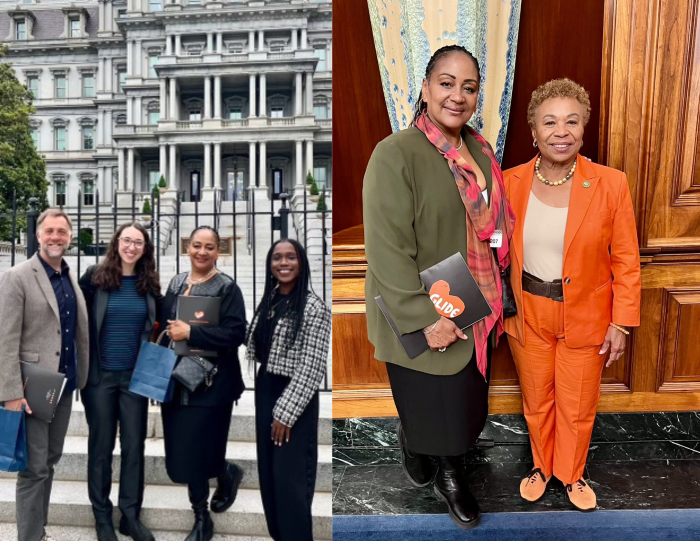
The Center for Social Justice (CSJ) team (inc. from L to R: Karl Robillard, Chief Communications and Public Affairs Officer, Eleana Binder, Policy Manager, President & CEO Dr. Gina Fromer, and Naeemah Charles, Senior Director), visit the nation’s capital to promote GLIDE’s mission
Dr. Gina meets with United States Representative Barbara Lee, representing California’s 12th Congressional District
Dr. Gina’s story is an American story. She is a sixth generation San Franciscan who broke the cycle of poverty in her family and ascended to leadership roles through determination, hard work, and education. She relied on crucial programs like GLIDE to realize her family’s dream of upward economic mobility.
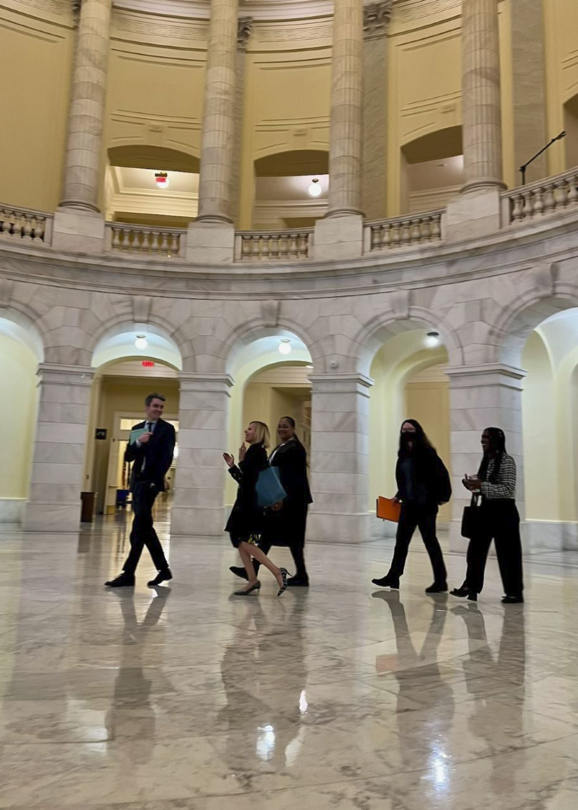
CSJ team navigating the House of Representatives
In a whirlwind tour of DC, our team from GLIDE shared a new strategy we call GLIDE Forward to ensure Dr. Gina’s experience of breaking cycles of poverty will be available for generations to come. This strategy connects gaps in our social safety net in San Francisco with broad and ambitious plans from the federal government (and other funding partners) to ease the impact of poverty and marginalization across the country.
Our plan calls for GLIDE to launch a new behavioral health and wellness hub, deepen our commitment to combat the overdose epidemic, create housing as part of a GLIDE campus model, formalize re-entry services to prevent recidivism in our criminal justice system, and launch a set of integrated mobile services in the Tenderloin and underserved neighborhoods across San Francisco.
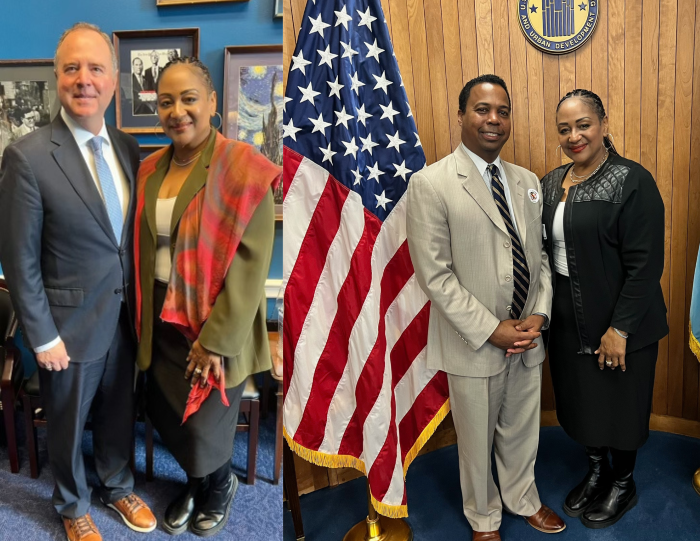
GLIDE President & CEO Dr. Gina Fromer meets with Congressman Adam Schiff (L) and with Damon Smith, Acting Deputy Secretary and General Counsel for the U.S. Department of Housing and Urban Development (R)
Dr. Gina and our GLIDE team shared important information about what we are seeing on the ground in San Francisco to inform elected officials’ and federal agencies’ priorities.
We also discussed legislation related to housing, food access, substance use treatment, and mental health to advocate for progress and increased funding to help break down barriers we see our community facing every day.
We are grateful for our government partners who met with us to think big on the best ways to turn this vision into reality. We know that by working together we can close gaps in services that lead to extreme poverty and marginalization in San Francisco and across the country.
Special thanks to the Elected Officials, Staffers, Nonprofit partners, and Federal agencies who took time to meet with us:
Representatives Adam Schiff, Barbara Lee, Andrea Salinas, and Nanette Barragán
Vice President Kamala Harris’s office
The White House Office of Public Engagement
U.S. Department of Agriculture, Department of Justice, Department of Housing and Urban Development, and the U.S. Department of Health and Human Services / Substance Abuse and Mental Health Services Administration
The National Alliance to End Homelessness
The decisions made in DC affect the lives of GLIDE’s clients, staff, and community. When GLIDE brings our message of unconditional love and radical inclusivity into these conversations, we infuse our values into policy and service delivery that impact millions of poor and marginalized Americans across the country.
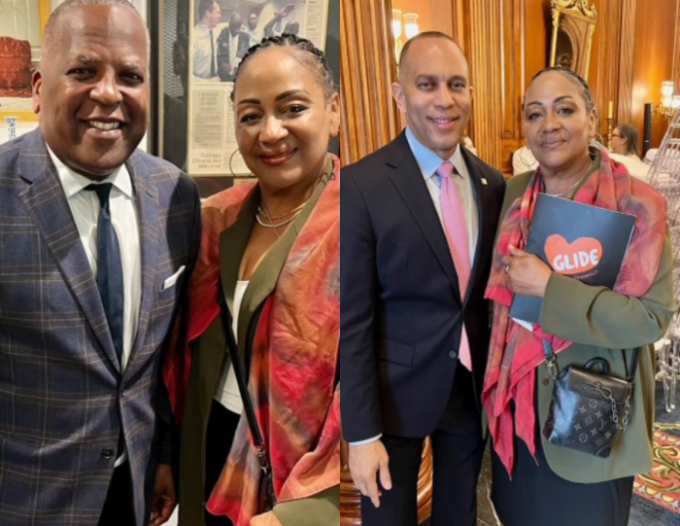
Dr. Gina Fromer meeting with Steve Benjamin, Director of the White House Office of Public Engagement (L) and Minority Leader of the U.S. House of Representatives Congressman Hakeem Jeffries (R)
This is the first of many proactive efforts to engage leaders at the national level.
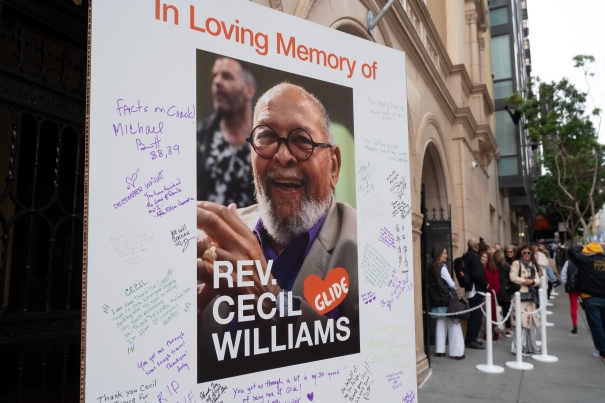
The line started outside Glide Memorial Church on Taylor Street, reached back up to O’Farrell Street, and amassed well before doors opened at noon for the 1:00 pm Celebration of Life for Reverend Cecil Williams.
For long-time Glide church member Elizabeth Greenfield, it felt like reconnecting with strangers whom she’s always known. “How Cecil was able to bring different types of people together. It was an amazing thing,” said Greenfield. “You would be in the church, and around you, there were people you wouldn’t meet in your everyday life. Cecil would say, ‘Turn around and embrace the person next to you.’ And that’s why I’m here today. To honor a man who loved humanity.”
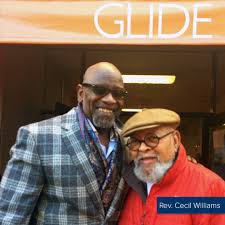
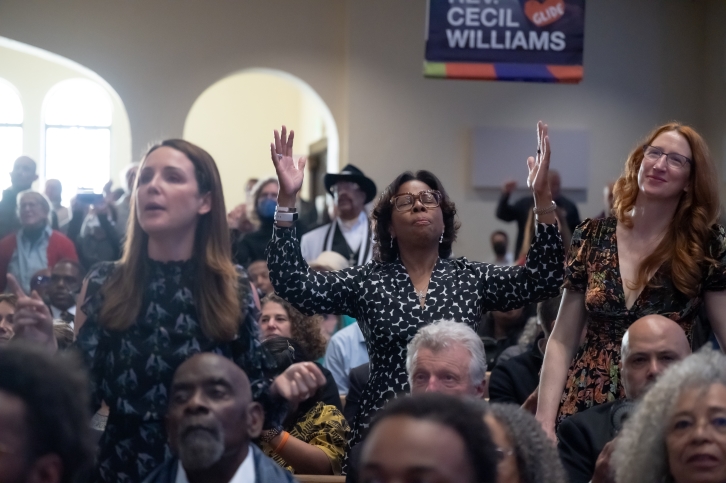
At GLIDE, we are all guided by the spirit of unconditional love instilled by our Co-Founder, Rev. Cecil Williams. On Sunday, May 12th, we celebrated his remarkable legacy following his recent passing. The atmosphere was electric, blending profound emotions, cherished memories, joy, and gratitude for the iconic Rev. Cecil.
From the early morning hours, when our doors opened, volunteers and staff worked side-by-side in the kitchen, preparing meals while others set up hundreds of tables and chairs along Ellis Street for our guests to overflow from the Sanctuary.
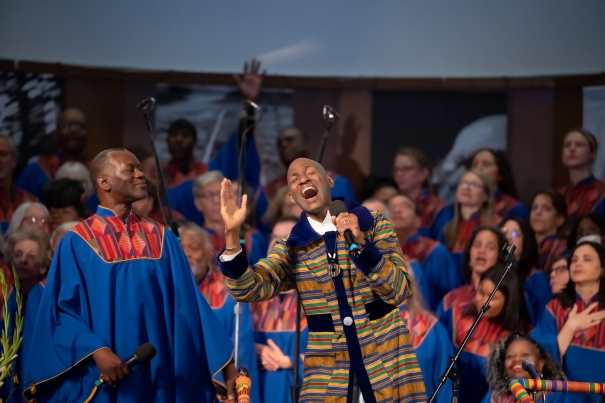
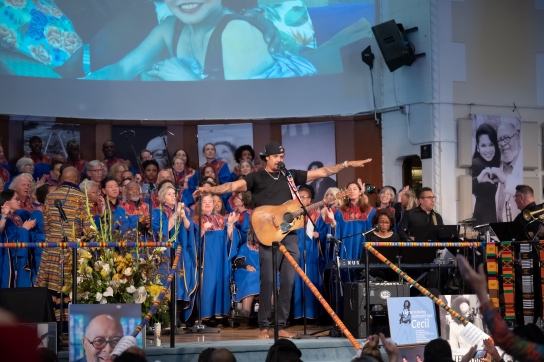
The Glide Ensemble, led by Vernon Bush, sings “Glory” during the tribute to Rev. Cecil Williams.
The sound of our world-famous GLIDE Ensemble and Change Band church members rehearsing their songs filled the air, adding to the anticipation for the outstanding show that was about to occur.
The GLIDE Ensemble began lifting spirits with rousing renditions of Under Our Roof and Glory, songs which were personally chosen by Rev. Cecil himself. Then, in between speakers, music performances by Michael Franti, and folk legend, Joan Baez followed, turning the event into the considerable celebration that he would have wanted.
Michael Franti opened with his personal testimony of how GLIDE helped him as a young father looking for guidance and he debuted a new song, I Hope I Come Back As A Song lifting the entire congregation to its feet.
One of the many attendees who came to honor Rev. Cecil was San Francisco and Tenderloin native, Sakura Martin, who grew up embracing Rev. Cecil as a local community pillar and an exemplar of civic engagement.
“So many different programs, from providing daily meals to providing harm reduction services, have been modeled after what Cecil created,” said Martin. “It’s inspiring to know that there is someone who created such a lasting legacy for SF and created hope for so many people. GLIDE has been a constant presence for struggling people, providing help and resources.”
Among the many special speakers was Chris Gardner, whose journey embodies resilience and hope. Gardner’s life is a testament to overcoming impossible odds. Once a homeless, single father, he famously transformed his challenging circumstances through sheer determination and a relentless pursuit of happiness.
His compelling story was popularized by his autobiography and the subsequent film adaptation, “The Pursuit of Happyness,” where Will Smith portrayed him and his son’s struggle on the streets of San Francisco and Rev. Cecil made a cameo in the movie as himself at GLIDE.
Gardner shared reflections at the celebration, noting, “The work you do at GLIDE impacts people you may never meet.” His words underscored the lasting influence of unconditional love and radical inclusive community — a legacy created by Rev. Cecil Williams’ mission at GLIDE.
Gardner’s life inspires many to believe in the power of hope and the possibility of renewal, even in the most challenging times.
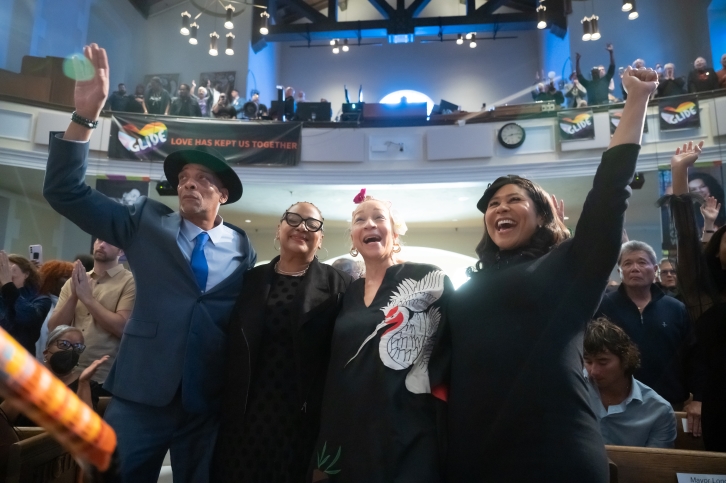
Albert Williams, Jr. (Rev. Cecil’s son), GLIDE President & CEO, Dr. Gina Fromer,Kimberly Williams (Rev. Cecil‘s daughter),and San Francisco Mayor London Breed were front and center at the Celebration of Life.
Alongside his late wife, Janice Mirikitani, Rev. Cecil transformed GLIDE into a sanctuary for those with nowhere else to turn. Under their leadership, GLIDE became more than just a place of worship; it became as a vital community resource offering meals and supportive services to the most vulnerable and marginalized.
Their work laid a foundation of care and support that predates—and, in many ways, presaged—modern public interventions in urban homelessness. This legacy of compassion inspires actions addressing the root causes of poverty and disenfranchisement in the community, underscoring GLIDE’s mission to fight systemic injustices, create pathways out of poverty and crisis, and transform lives.
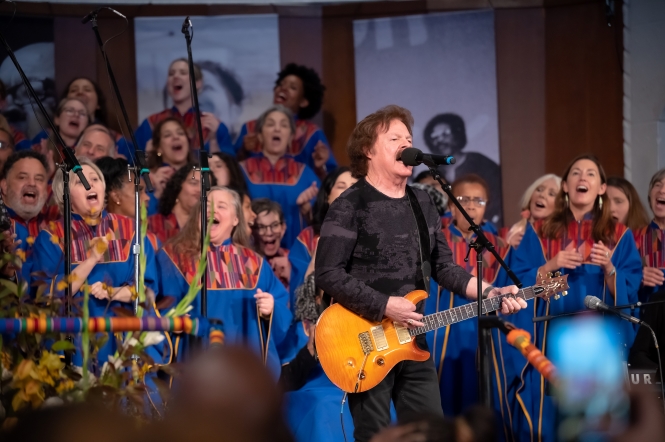
Tom Johnston, Co-Founder of the Doobie Brothers, led the Glide Ensemble in their hit “Listen to the Music.”
“This is what we need to do. Families get up and sing together,” said Johnston.“I’m in awe of Cecil. What Cecil did for the community continues. And people can count on it, and there’s not a lot of that left.”
Glide Church member Candy Tsang is in line waiting to enter with fellow Glide congregant Rachel Tanner.
Another community voice was Candy Tsang, who recalled when she first met Rev. Cecil. “It was on Easter Sunday, 2012, that I met Cecil and Janice Mirikitani. That was the day my oldest brother passed on. I asked them to pray for me. And then, I met with Cecil this past Easter Sunday, a week before he died. I admired his kindness, generosity, and lifting people with nothing. And how he spread love and joy to everyone he met. It’s why I keep coming back to GLIDE,” said Bay Area native Candy Tsang from her seat in the pews.
“GLIDE is a unique San Francisco experience where we welcome everybody worldwide. It doesn’t matter the color of your skin or your religion. We spread love. We spread peace. We embrace people from all walks of life,” summed up Tsang. “We don’t look down on people with no money or home. We embrace human beings. I learned this from Cecil and Janice.”
GLIDE Board of Director Chair Kaye Foster raises her hands next to Vice Chair Mary Glide
As the sun set on a day filled with emotional tributes, the essence of Rev. Cecil Williams resonated in every handshake, hug, and heartfelt conversation among those who gathered. His vision of a community woven together by compassion and acceptance resonated deeply, echoing through the streets and into the hearts of all present. GLIDE is a symbol of hope and a testament to the transformative power of love and inclusivity.
As the sun set on a day filled with emotional tributes, the essence of Rev. Cecil Williams resonated in every handshake, hug, and heartfelt conversation among those who gathered. His vision of a community woven together by compassion and acceptance resonated deeply, echoing through the streets and into the hearts of all present. GLIDE is a symbol of hope and a testament to the transformative power of love and inclusivity.
Cecil Williams set GLIDE on an enduring path of unconditional love. Every day, we honor his legacy through the three pillars of our mission: the Center for Social Justice, Glide Memorial Church, and our Programs.
We meet our clients where they are, help stabilize their lives, and support individuals and families striving to break the cycle of poverty. This celebration not only commemorates a remarkable life that transformed the world, but also reaffirms our dedication to advancing our values of radical inclusiveness, truth-telling, serving the community, and fostering love and hope.
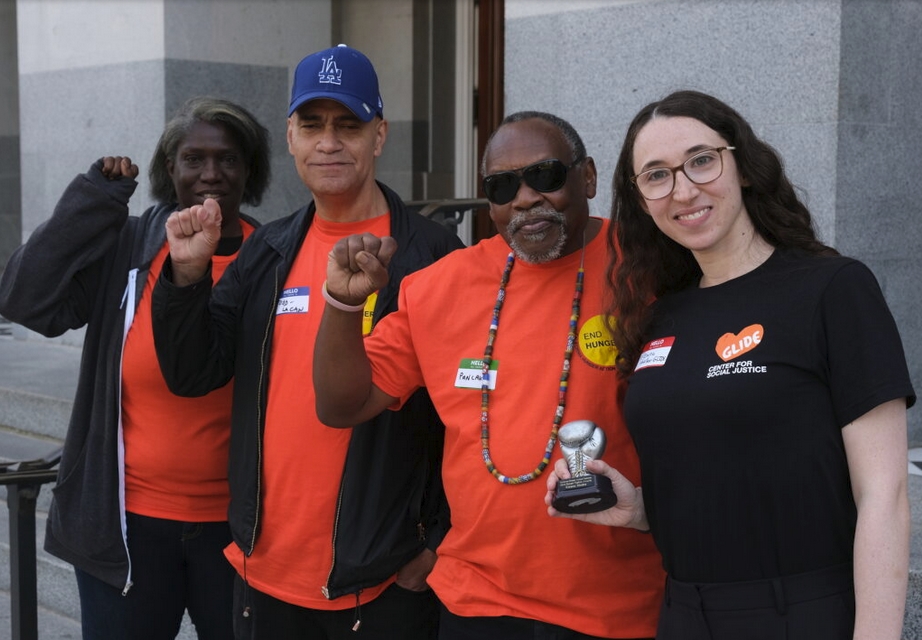
Eleana Binder, GLIDE’s Policy Manager, after being awarded the Hunger Fighter Award, standing with other members of the California Hunger Action Coalition.
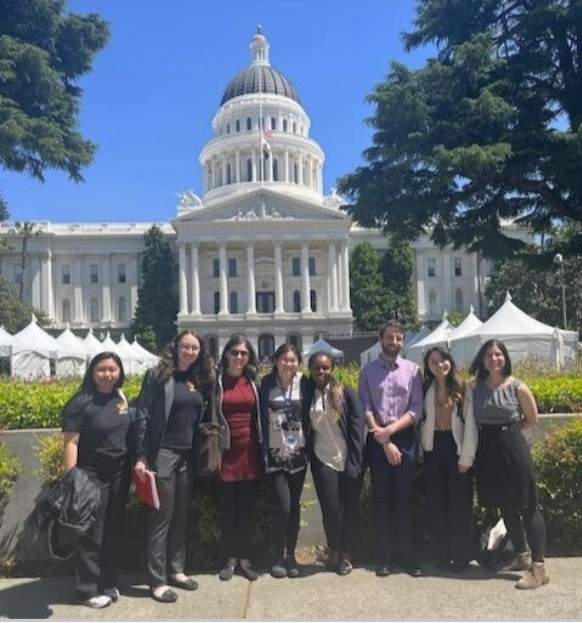
April and May are some of the busiest months for policy advocacy in Sacramento, California’s capital city. State legislators are voting on bills and weighing budget decisions, and, most importantly, GLIDE community advocates are raising their voices and speaking truth to power about what our communities need.
GLIDE advocated alongside community partners for End the Epidemics’ Day of Action and California Hunger Action Coalition’s Hunger Action Day, as well as doctors from University of California San Francisco (UCSF) on three separate days – maximizing our chances to speak with legislators about critical health and hunger issues facing our community.
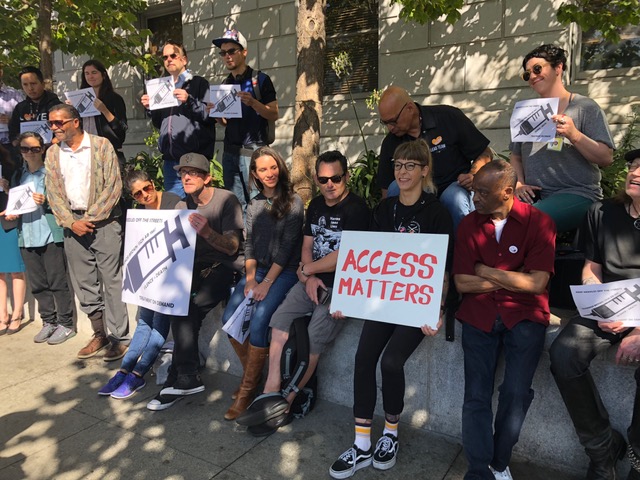
On April 23, staff and clients from GLIDE’s Center for Social Justice and Harm Reduction teams joined advocates and people struggling with substance use disorder and people living with HIV to advocate for funding for overdose prevention services and services for people at risk of or living with HIV as part of End the Epidemics’ Day of Action.
End the Epidemics is a statewide coalition that advocates for anti-racist policies and funding priorities to eliminate health inequities and end the epidemics of HIV, sexually transmitted infections (STIs), viral hepatitis, and overdose in California.
GLIDE participants joined in a powerful rally, during which they paid tribute to GLIDE’s co-founder, the late Reverend Cecil Williams, and lived out Cecil’s legacy, and GLIDE’s values, by engaging in truth telling – sharing stories with legislative offices.
The next week, on April 30, for California Hunger Action Coalition’s Hunger Action Day, staff and Social Justice Academy fellows from GLIDE’s Center for Social Justice, as well as staff from GLIDE’s Family Resource Center, Women’s Center, Volunteer program, and fund development team, joined other community members from San Francisco and across the state to advocate for expanded access to nutritious, affordable food.
During the kick off rally, the California Hunger Action Coalition awarded GLIDE’s Policy Manager, Eleana Binder, with the 2024 Hunger Fighter Award, in recognition of her dedication to addressing hunger in California and her leadership in organizing Hunger Action Week in 2022 and 2023.
GLIDE’s Center for Social Justice led legislative visits with all of San Francisco’s legislators’ offices – with Assemblymember Matt Haney and Phil Ting’s staff and with Senator Scott Wiener himself – as well as with Senator Marie Alvarado-Gil, Chair of the Human Services Committee, who is a key decision maker for hunger-related legislation.
GLIDE’s staff and Social Justice Academy fellows joined these meetings, as well as meetings with two Marin County legislators organized by the San Francisco-Marin Food Bank, to tell their stories about hunger.
GLIDE advocated for the Hunger Action Day Policy Agenda, including increasing the minimum CalFresh benefit from $23 per month to $50 per month, making it easier for people exiting jails/prisons to get enrolled in CalFresh, protecting the Market Match program, and so much more!
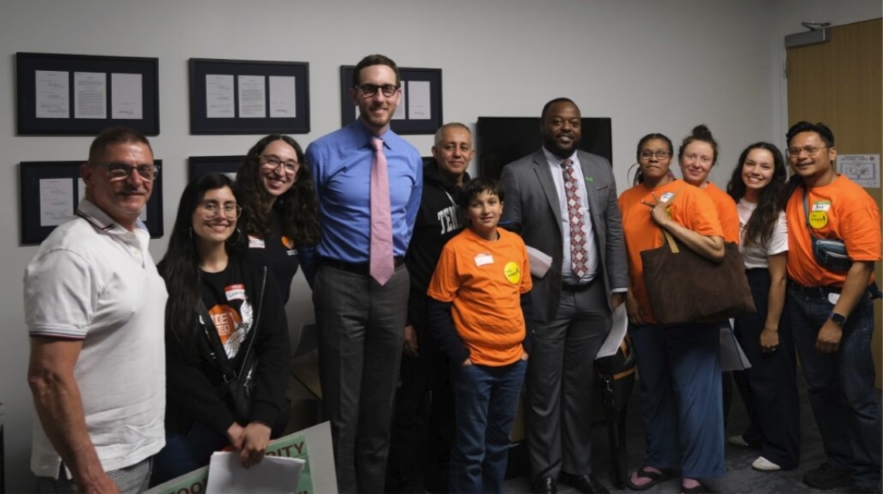
GLIDE staff with Senator Scott Wiener, as well as staff from TNDC, the Women’s Building, the San Francisco-Marin Food Bank, the California Association of Food Banks, and community members after meeting with the Senator on Hunger Action Day.
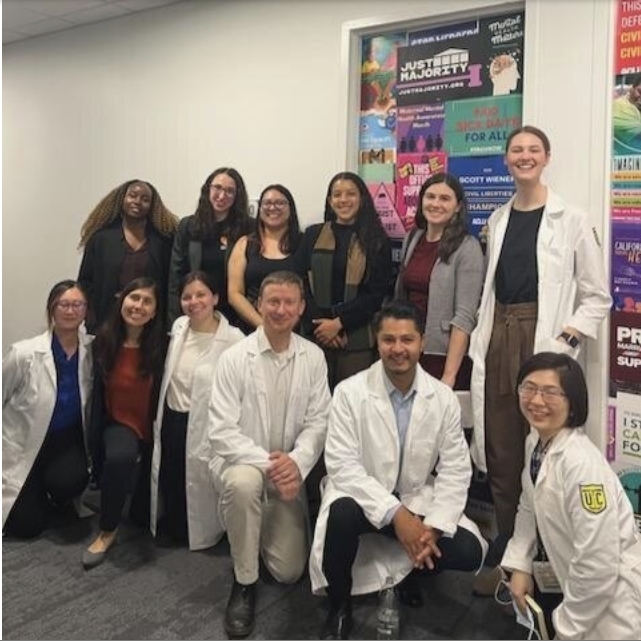
On May 1, members of our policy team in our Center for Social Justice joined forces with doctors who work at UCSF and SF General Hospital to advocate for funding for health-related issues, including overdose prevention services. GLIDE staff and UCSF residents also advocated for AB 1975 – a piece of legislation that would support “food as medicine,” which are food-based interventions integrated into healthcare to prevent and treat medical conditions.
AB 1975 would make these interventions available to all Medi-Cal patients, which would help address health issues such as high blood pressure, diabetes, and preterm births – all of which have a racially disproportionate impact on Black Californians.
GLIDE staff and UCSF residents met with Assemblymember Haney and Senator Wiener’s offices, as well as staff for the Senate Budget and Senate Appropriations Committees, which are key committees for budget items and bills with financial costs. GLIDE and UCSF doctors have been partnering for years to advocate for essential health services, ranging from greater food access to harm reduction and overdose prevention.
GLIDE Center for Social Justice staff with doctors from UCSF.
GLIDE Center for Social Justice staff and doctors from UCSF with Senator Scott Wiener’s staff.
GLIDE is proud to be lifting up the voices of our staff, clients, and community members in the halls of power and positively influencing decisions that affect millions of Californians.