
Welcome to our exciting summer program at Glide Family Youth and Childcare center filled with endless adventures, laughter, and new discoveries. Get ready to make memories that will last a lifetime as we embark on a summer journey like no other!
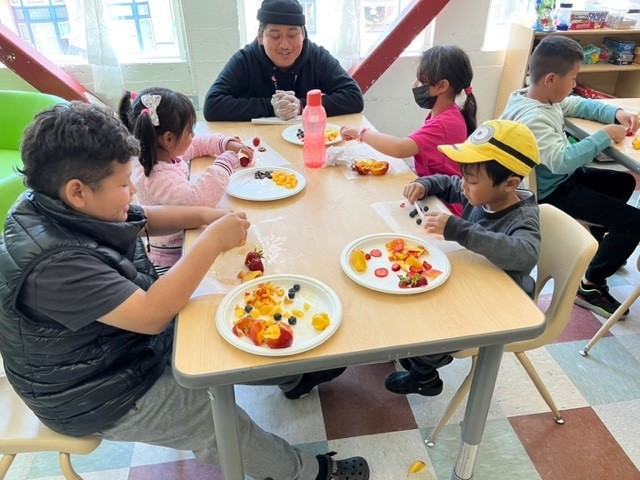
FYC cooking class

Summer Camp: FYCC Cooking class

Many parents are simply moving out of the city. In fact, San Francisco has the lowest percentage of people under 13 of any major city in the nation.

The inequities and acute challenges faced by low-income parents, including during the summer months when children are no longer in school, are why GLIDE’s Janice Mirikitani Family, Youth and Childcare Center (FYCC) exists.

“We go where parents are most likely not going to have the means to go… Not everybody has a car and can drive to Marin.” —Juan

In anticipation of summer break, we spoke with Juan and Selina, two of GLIDE’s wonderful teachers, about FYCC’s thriving Afterschool and Summer Program.

“In the summer, we’re here with the kids much longer,” explains Juan, lead teacher for the second-graders. “We go from spending three hours a day with them to nearly nine hours.”

While the hours may be long, Juan and Selina make it clear that the summer program is fun and rewarding for both the children and themselves.

We go on field trips every Tuesday and Thursday,” says Juan. “We do hikes, we go swimming, do art… We’re going to dissect an owl’s pellet, which,” he admits, “is a little gross, but the kids are going to think it’s cool!”

“We also have tons of [guest instructors] who come in and do activities with them like music and dancing,” adds Selina, the lead kindergarten teacher, who has been with FYCC for over a decade. “I believe there is a ‘bubble lady’ coming in, too. She puts the kids inside bubbles!”
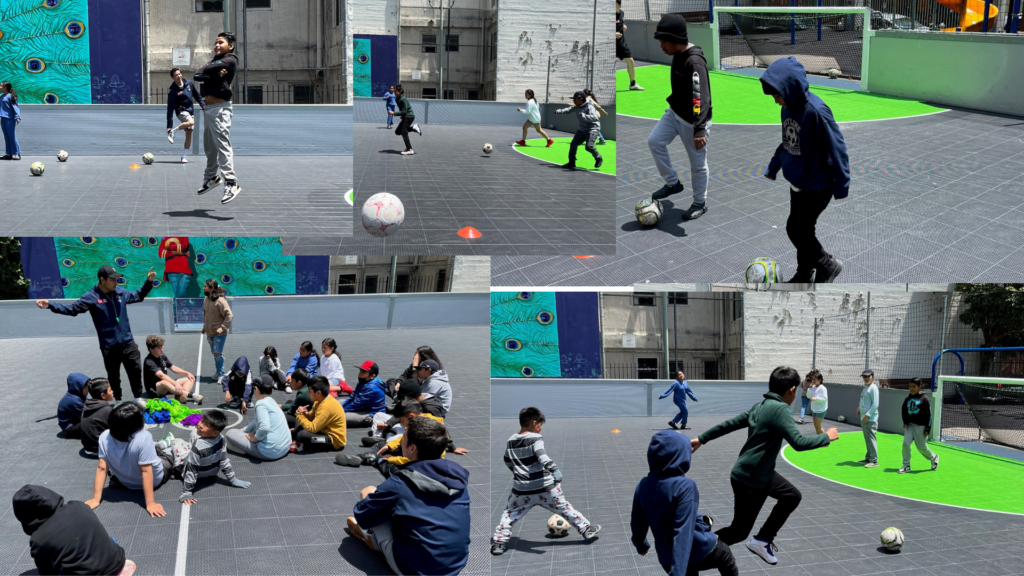
soccer, collage, fycc

Summer Camp: FYCC Recreational Soccer

One of the best things about FYCC Summer Camp, according to Juan and Selina, is that many of the children get to experience certain joyful and eye-opening activities for the first time in their lives, like flying a kite, or visiting the Marin Headlands.

“We go where parents are most likely not going to have the means to go,” explains Juan. “Not everybody has a car and can drive to Marin.”

Selina adds that they try to show the kids the diversity of Bay Area neighborhoods and natural parks.

“The kids get to do a private tour of Oracle ball park,” she notes. “And, the older kids get to go camping through CYO [Catholic Youth Organization]. It’s for children from eight to 15-years-old. It’s for a whole week, and it’s entirely free to the families here, including the food.”

Of course, when working with children, there is never a shortage of hilarious stories. Selina recalls one summer a couple years ago when FYCC teachers took the kids day-camping in the Presidio.

“All the camping supplies are supposed to be provided, stored in a locker for you on-site. It turned out that somebody took the logs we’d planned to use to make the fire. When we finally found some, none of us teachers could figure out how to build the fire!” Selina recalls, laughing.

“The kids were just like, what is going on? We had supplies to make hot dogs and s’mores… The kids were really good about it. They had a really positive attitude, but it was so funny. I was like, well, we grew up in the city, I never went camping! Luckily, we found a high-school teacher right across from us at the campsite, so they helped us build the fire,” she says.

“City people tryin’ to camp. That’s what happens,” Juan laughs.
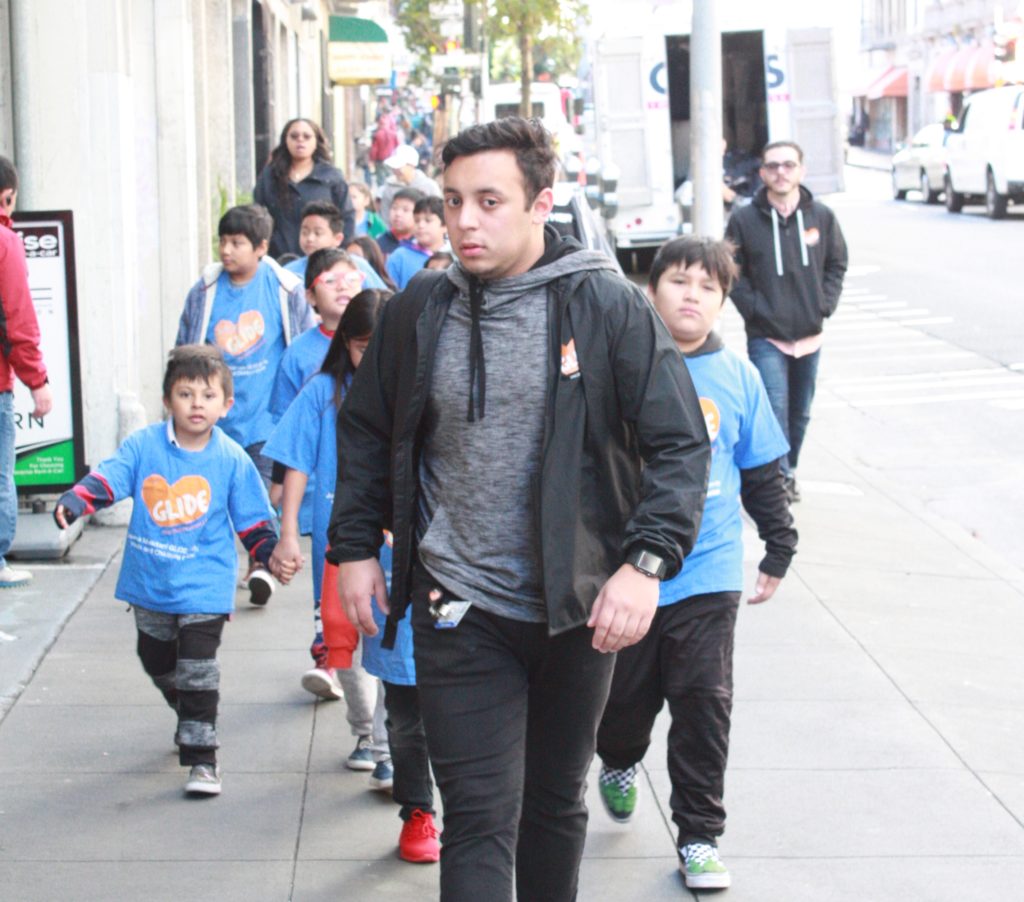
A GLIDE FYCC teacher leads a group of children on a field trip.

Juan and Selina express gratitude for the support and enthusiasm the program receives from organizations and institutions that reduce or waive fees to make field trips possible, and to individual San Franciscans who generously donate to the program.

“After school programs that are income-based are great because a lot of families here don’t have the means to keep their kids elsewhere,” says Juan. “And you definitely don’t want to have your kid at home alone, or alone in the city. The fact that we can provide care, with a kick of education along with it, is great.”

Especially given what’s going on in the political landscape, I think it’s very important that we keep cultivating equality, social justice and acceptance of cultures other than our own. — Selina

Selina, who is a mother herself, adds that San Francisco now has the most expensive childcare in the nation.

“Especially when you remember that, in the Bay Area, a family of four making $110,000 is considered low-income, and then you factor in how much our FYCC parents make, which is way, way less than that,” she notes. “I think that programs like this are an asset and that we need more of them.”

“I want my child to be with other kids and do things that they don’t get to do during the school day,” she continues, “When they come to FYCC, there are electives! There’s PE, cooking, art, music—things that are not necessarily offered at school anymore. It’s also a safe place and, as a parent, knowing where your child is after school gives you peace of mind. Childcare should be a right; it shouldn’t be a privilege.”

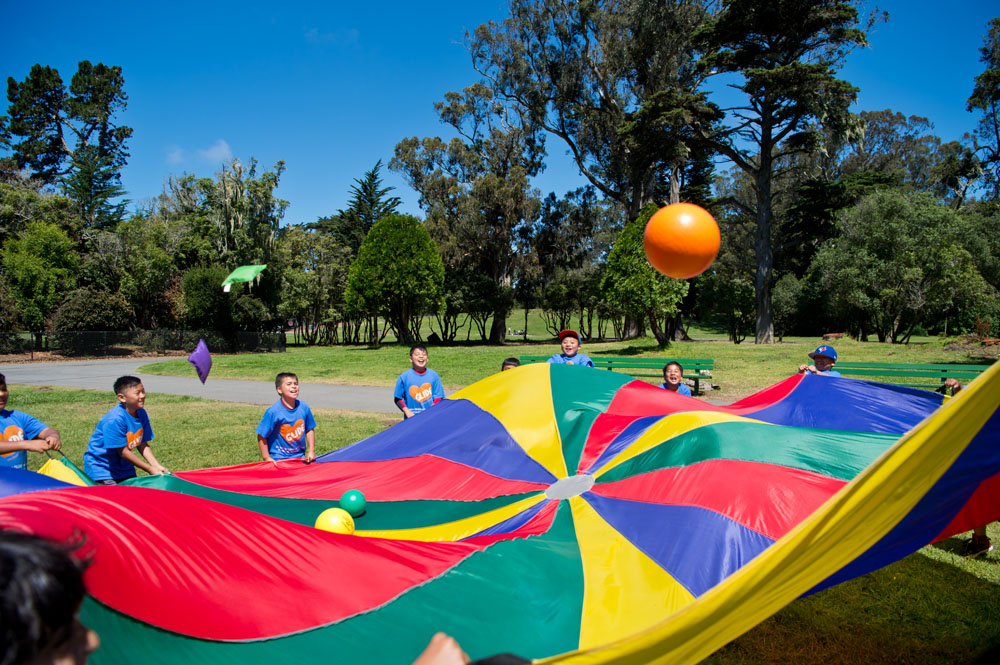
FYCC Field Day, Summer

Not only are the families FYCC serves low-income, many of them are also immigrants and face challenging linguistic and cultural barriers. During the academic year, FYCC teachers offer assistance with homework to the kids, as many of their parents do not read or write English. Teachers prioritize instilling an appreciation and love of diversity in their classes, and these values of acceptance and inclusion are reiterated during the summer program.

“We introduce a lot of kids for the first time to another part of the world,” says Juan.

“Especially given what’s going on in the political landscape, I think it’s very important that we keep cultivating equality, social justice and acceptance of cultures other than our own,” says Selina. “FYCC [is] a safe place for everybody.”

The FYCC summer program begins on June 6 and lasts until August 5, 2023. For more information about GLIDE’s Family, Youth and Childcare Center, visit FYCC’s page on GLIDE’s website.

Contact: Maritza Estrada-Esquivel
Email: mestradaesquivel@glide.org
Phone number: 415.674.6212

This month GLIDE celebrates the 20th anniversary of the eBay Auction for Power Lunch with Warren Buffett. This exciting annual effort raises funds for GLIDE’s comprehensive programs benefitting some of the most in-need and marginalized San Franciscans. It also represents a special relationship that has only grown stronger with the years—one that includes Mr. Buffett, who first came to GLIDE at the invitation of his late wife Susie Buffett, and also our friends at eBay.

“There’s plenty of good things to do in the world with money,” notes Mr. Buffett of his longstanding commitment to the auction and his endorsement of GLIDE’s programs and services. “The one thing I can do is I can give them a 100% guarantee, so this is one of them.”

Regarding GLIDE’s work on behalf of San Francisco’s most vulnerable residents, Mr. Buffett remains as passionate as ever.

“You offer them the chance to find out what’s within them that hasn’t yet surfaced. That can start with things as basic as food, but it goes beyond that. If you can help somebody be something better than they thought they were or that the world told them they were, that’s the ultimate accomplishment in life.”

The following is an excerpt (lightly edited for readability) of Karen’s chat with Warren Buffett in Omaha, Nebraska, on April 4. You can also watch the interview here. GLIDE’s community is blessed to have friends like Warren Buffett and eBay, and we thank them for their stalwart commitment to GLIDE’s mission and the diverse and beautiful communities we serve.

Karen Hanrahan: It’s the 20th anniversary of the auction. You have so generously supported this legendary effort for two decades. This is a very special partnership to GLIDE. It’s not just Warren Buffett and GLIDE, it’s also eBay and now a growing circle of winners who’ve become part of the GLIDE family. This partnership has really allowed GLIDE to lift even more people out of desperate circumstances. It’s allowed GLIDE to innovate on the front lines of poverty. It has really fundamentally changed the lives of the people that we serve, and it’s a special relationship for us.

When you think back over the past two decades, what are some of the experiences you’ve had and people you’ve met that really stand out?

Warren Buffett: Well, it’s been nothing but good. We’ve raised money, but I’ve had a good time. I’ve met a lot of very interesting people from all over the world. . . . The one universal characteristic is that they have a good time, and they feel they’ve got their money’s worth. But the most important thing is they feel that that money is going to be put to very good uses. . . . And it translates into human beings finding that there is hope in life.

KH: I was brought to GLIDE to help it evolve, to help GLIDE grow, and to really build on the legacy that Cecil and Jan have built for over 50 years.

WB: I was skeptical going in [to GLIDE the first time]. Susie told me about this wonderful organization, this wonderful man, the wonderful things they were doing and everything. But when I saw it! You know, I like backing the right people.

KH: At GLIDE, we know we couldn’t do this auction without eBay. They’ve got an ethos and a commitment to philanthropy. They’ve been an incredible partner.

WB: Well, it’s been so successful. We were raising $25,000 a year by talking to just a few people. And as soon as we went on eBay, we essentially were talking to the whole world. Now we raise in the millions every year.

KH: The winners and eBay, they’re investing in GLIDE’s legacy. We spend money on the people. And everyone has our clients at the front of their minds.

WB: I talked to a couple of the top executives at eBay over the years and they feel really, really good about their participation through GLIDE. There’s nothing like backing winners, and helping people become winners.


Watch the full interview. 

Lisa Pelletier-Ross is a beloved staff member at GLIDE, serving as a trusted Community Safety Team Shift Lead. She, along with several other members of Community Safety and the Meals Program, have been collaborating with our Adult Education Specialist Stephanie McNally to record and share their experiences on the front lines of GLIDE’s work in the community. We are grateful to Lisa for providing the first post of Women’s History Month, and demonstrating the strength, patience and compassion required from the staff at GLIDE who work directly with our program participants.

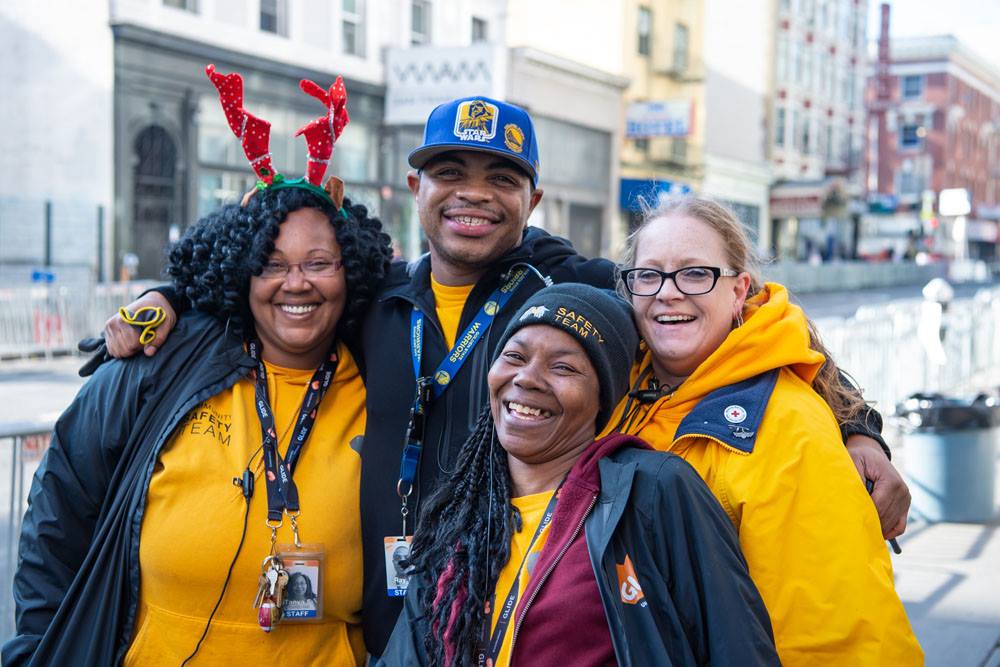
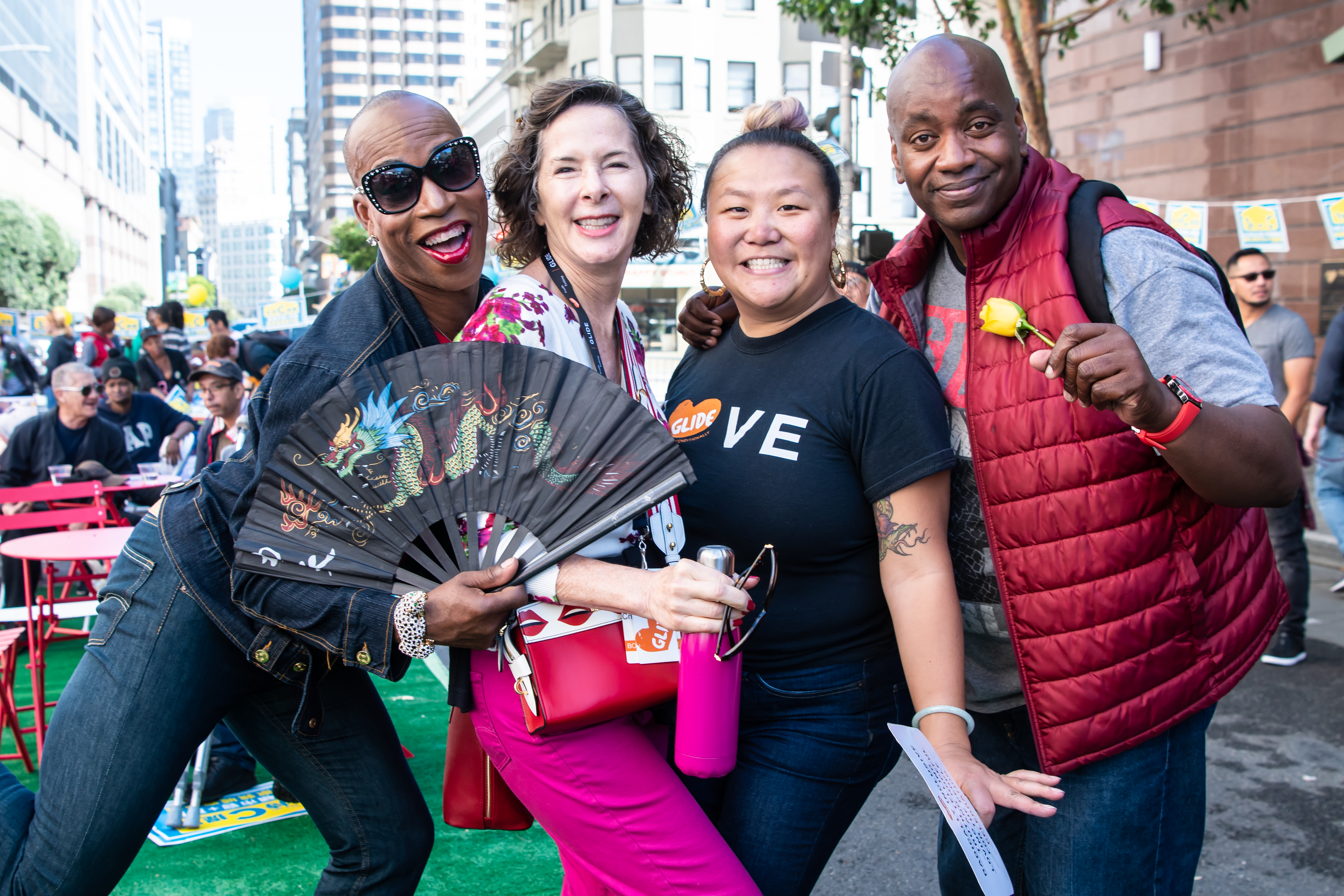
Lisa (far right) with her colleagues Tanya, Ray and Iris.

Working at Glide has given me the opportunity to meet and befriend lots of people. Being homeless once myself, this is what I know and have learned: Homeless people are people too, but most of the time they are treated as not. They get treated badly all day long. Most of them just want to be treated like a normal human being, for someone to just lend an ear and listen to them. They just want to be heard, but most people don’t have the time or patience to do so.

I witness this desire to be heard with the clients we serve every day at GLIDE. When a client comes to me, whether they want to complain about something or  just say hello and have a friendly conversation, I lend them my ear.

Lisa with her Community Safety Team colleague, Dereik.

One Sunday, a senior citizen came in and told me he didn’t want to live anymore. He was tired. I knew what he meant about being tired, living in the vicious circle.  So I took him into Freedom Hall and asked if he wanted to talk about it. I just let him speak. He told me he wanted to end his life by throwing himself in front of a bus. I sat there with him for a while, and even had someone go and get a pastor for me so I had some support in this situation. I let the man know that we love him and that we would be sad if we didn’t see him around here anymore. The man cried and was still feeling down. I sat there with him for a while and listened to him share how he felt. When they came to take him to the hospital, the man gave me a hug and told me, “Thank you. I love you for listening to me.” That made me feel very grateful and thankful that I was able to change that man’s decision of wanting to take his life.

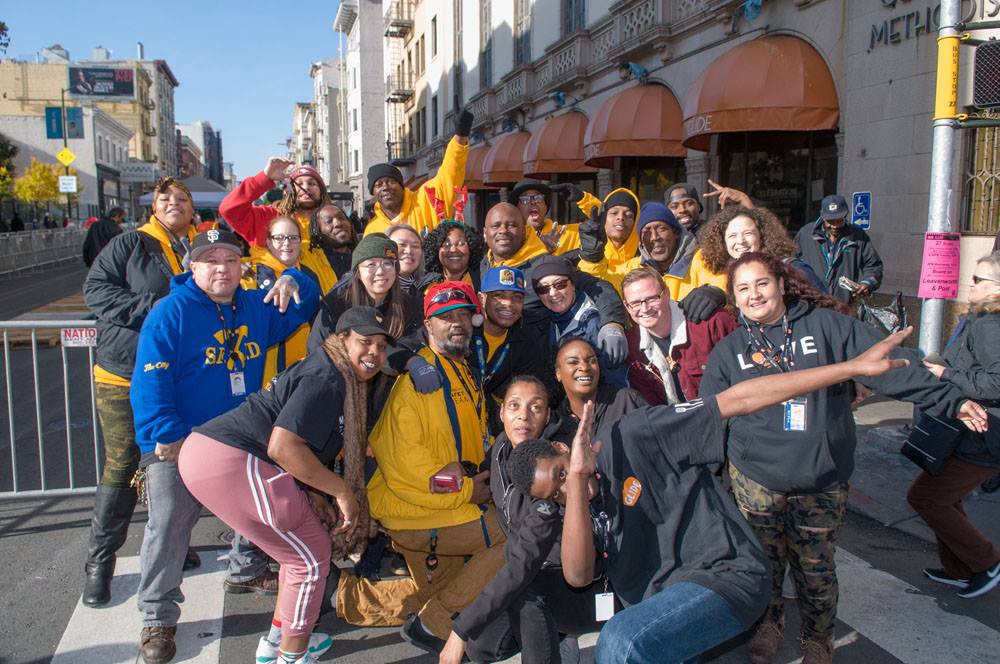
GLIDE staff celebrating a successful 2018 Grocery Bag Giveaway in December.

Most people just want someone to listen, and if I can do that for them and it makes them happy, then that makes me feel good inside, to give an act of kindness. If I can make another person happy or make their day, then I feel good about myself for doing so. If you lend an ear, that means more to the person you are listening to than, let’s say, buying them a hamburger. They will remember it because listening is a heartfelt act of caring. So if you can find it in your heart, give an act of kindness, show some love, and give an ear.

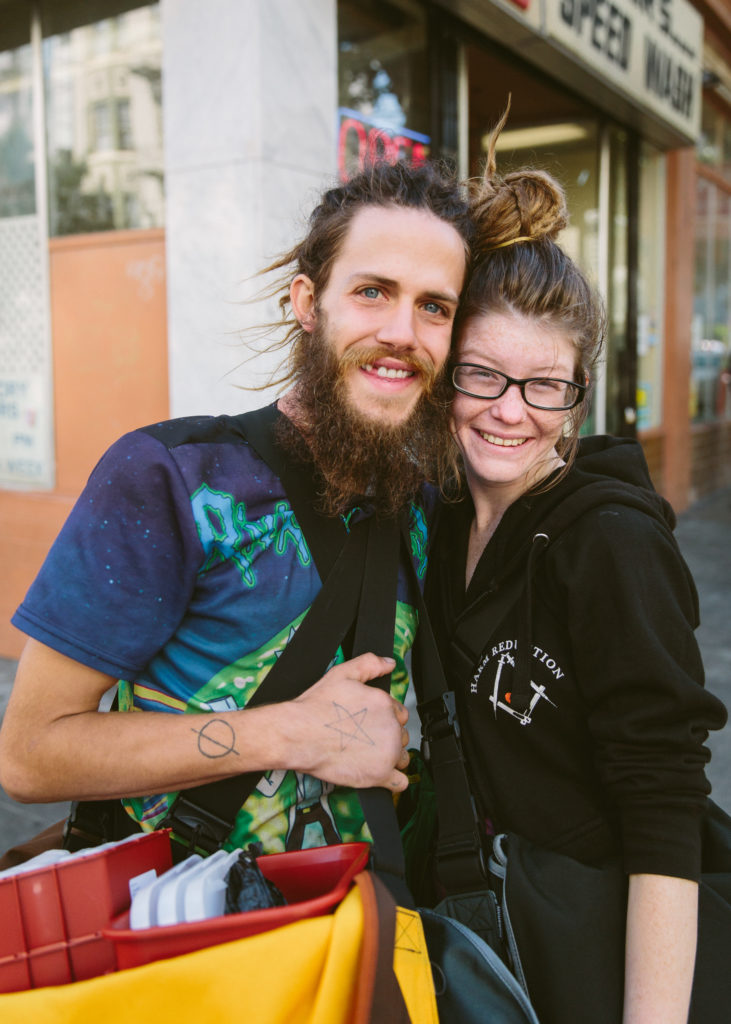
It’s no secret that at GLIDE, we believe in love, We believe in radical, unstoppable, unconditional love. We also know that love manifests in as many ways as there are people in our community—people like Elena and Zach, two GLIDE interns who are helping to link hard-to-reach members of the community to harm reduction and HIV/Hep C services.

Zach and Elena are much loved members of the Tenderloin’s harm reduction community.


GLIDE Harm Reduction Peer Program: An entryway to connection, education and community

Recently, GLIDE’s Harm Reduction team initiated its first-ever Peer Program, managed by Outreach Coordinator Bill Buehlman. The purpose of the fledgling program is to provide internship opportunities to people who have struggled with substance use themselves, so that they can not only learn about harm reduction and direct service but, in turn, reach out to others in the community who are otherwise not receiving services—either because they get overlooked by other programs or they tend to distrust traditional service providers.

“We’re trying to engage people with lived experiences,” explains Bill, “active participants who want to do any level of service work.”

Bill serves as both a trainer and a mentor to participants in the Peer Program, who are usually people who currently use or have formerly used GLIDE’s harm reduction services.

“The people who are difficult to reach are the people we most want—especially with regard to Hep C testing, education and treatment. Seven out of 10 injection drug users in this city will test positive for Hep C antibodies. We are good at outreach, but that doesn’t mean we can reach everybody. That is part of what this program is about—using people within the community to navigate in there and help link folks to services.”

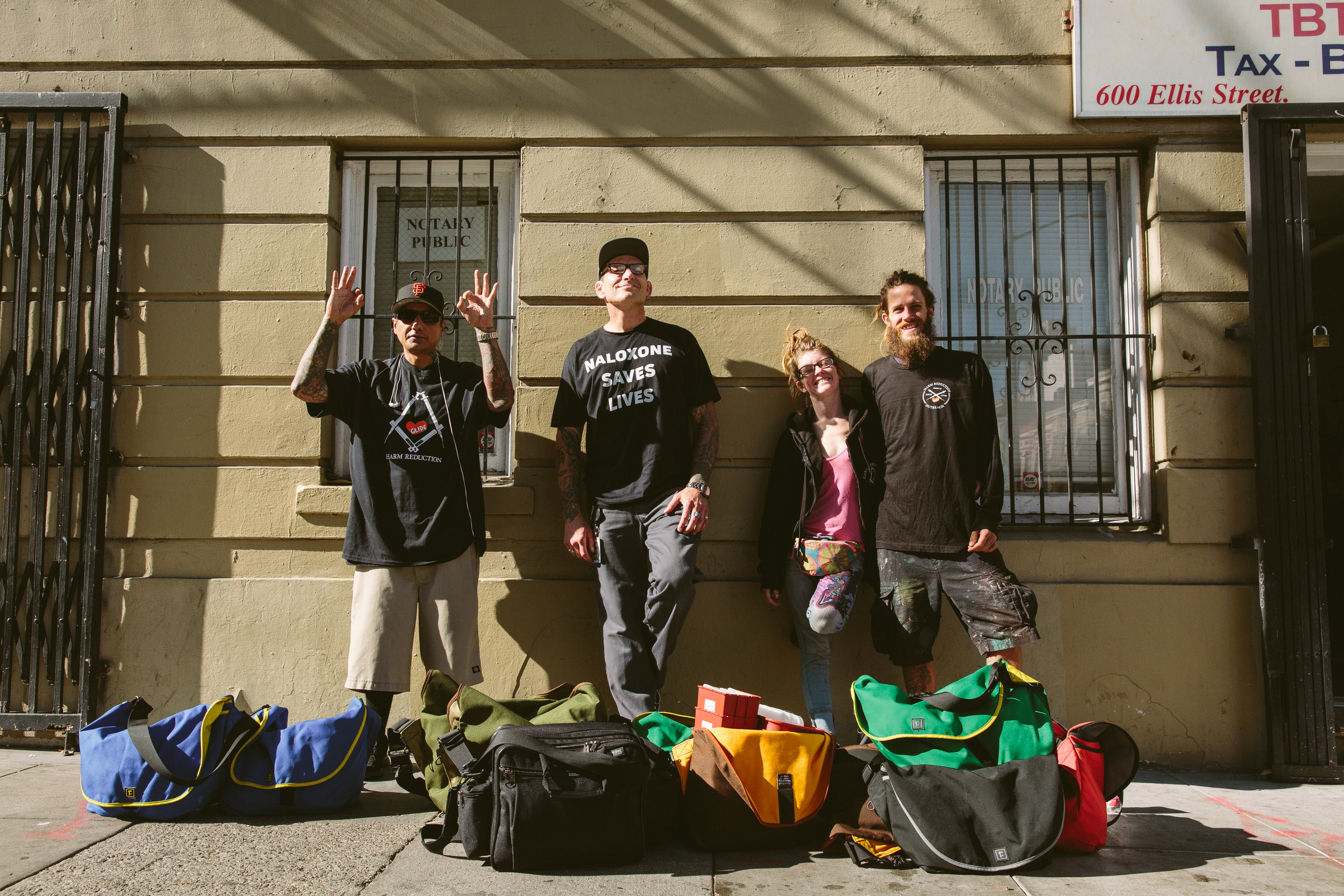
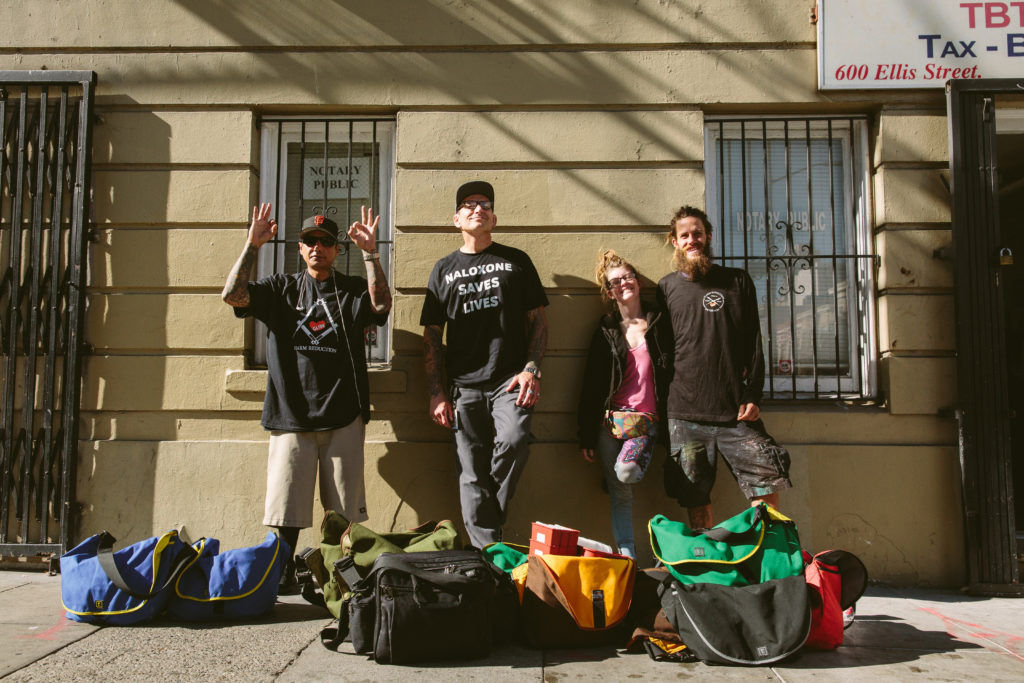
Another member of the Peer Program, Bill Buehlman, Elena and Zach pose together after a Friday afternoon harm reduction outreach.


Elena and Zach arrived in San Francisco last year after many years of travel, and were immediately drawn to GLIDE’s Harm Reduction Program.

“With Zach and Elena,” reflects Bill, “they really want to be in this world of harm reduction.”

Harm reduction principles are founded on respect for individuals’ choices, and a deep understanding of the often winding and difficult road to recovery. The Peer Program reflects these values by operating with a compassionate and judgment-free approach.

“As long as they can show up and do the work, that is all that should matter. And that is what Zach and Elena have done, consistently, and it’s been unbelievable.”

Elena and Zach

Elena and Zach met in a park on a hot day in Oregon, while they were both travelling independently around the country. Elena is from a small town in northeastern Ohio, while Zach is from Texas.

“We feel very strongly that people deserve clean equipment and good health care. To be in a position where we can advocate for that is really amazing because no one was ever there to advocate for us.” — Zach

“It was really special. We were both backpacking separately across the country,” recounts Elena. “I saw him and he had a Grateful Dead tapestry, which is one of my favorite bands. I had just been in Washington mining for quartz and crystal, so I had a really big case of nice shiny rocks and gemstones. I showed them to him. It’s a really odd thing to be interested in. Not many people share a love of minerals! But he did too, and so we’ve been together ever since. That was three years ago.”

Through their shared interests in music and minerals, Elena and Zach formed a strong bond. Together they grew an extensive collection of gems.

“After we met, we made that our focus, and we went on mining expeditions while we were moving around the country. You can go in any national forest or Bureau of Land Management land and you’re legally allowed to remove seven to 20 pounds of minerals every day,” Elena explains. “We have the gift of gab, so we took our cases of rocks out on the sidewalk in any city we were at and sold them on the street.”

Elena walks through the Tenderloin on a Friday afternoon outreach.


But when they arrived in San Francisco, Zach and Elena committed fully to volunteering at GLIDE. Today, they help run our Syringe Access Services, lead community outreach and needle sweeps, and were sponsored by GLIDE to become certified as Hep C/HIV test counselors.

“We were the first peers that Paul [Harkin, Director of GLIDE Harm Reduction Services] sent to become certified,” says Elena with justifiable pride.

“We’ve both had our fair share of experiences in places where there was no harm reduction,” adds Zach. “We feel very strongly that people deserve clean equipment and good health care. To be in a position where we can advocate for that is really amazing because no one was ever there to advocate for us. We’ve definitely needed these services, and we definitely used them all when we first got to San Francisco.

“We’ve since straightened our lives out in a different way, so we’re not using every day, but there was a point when we were using three, four, five times a day, coming here for supplies and hitting GLIDE up when they were on outreach.”

“The people around us are extremely supportive of what we’re going through, and that’s amazing. I couldn’t do it without them, and especially not without Zach.” — Elena

“Now, we’re actually providing the services that we used to come here to get ourselves. That really adds to our passion for it,” says Zach. “If it wasn’t for these guys, we wouldn’t have gotten the things we needed.”

Elena and Zach speak candidly but thoughtfully about their relationship with drugs over the years. Elena struggled with opioids for six years, and other substances before that.

“There were times when I was off and on, but there wasn’t any time when I was off that I wasn’t thinking about being on,” she says. “I’m dealing with 15 years of depression right now, in this time of transformation. The people around us are extremely supportive of what we’re going through, and that’s amazing. I couldn’t do it without them, and especially not without Zach.”

As for Zach, he has been injecting drugs for over three years, but says that he has been doing opiates since he was in his early teens.

“I remember a specific point in my youth when I decided to steal a bottle of Jack Daniel’s out of my dad’s closet. I was on opiates soon after that,” he explains. “I got addicted to drugs because I have problems that I’m trying to cope with.”

Now, Elena and Zach are studying for their Community Health Worker Certificate at the Community College of San Francisco (CCSF), and both intend to pursue BA degrees afterwards.

“I was concerned about going to school while homeless, but it’s been good. The teachers are supportive,” says Zach. “We are slowly moving forward in our lives.”

Elena plans to develop a strong application for UC Berkeley through her extensive harm reduction experience and CCSF coursework. Her goal is to have a profession in clinical research for an organization that focuses on the mental health benefits of controlled use of psychedelic medicines, such as psilocybin and MDMA.

“I’m interested in studies looking at these substances being used to treat depression and PTSD, and LSD being used for alcoholism and other disorders. The FDA is approving things that we never thought would be approved. That’s the field where I would like to see myself in eight to 10 years,” Elena says.

Zach wants to continue his education and work in harm reduction as well.

“I look forward to getting into a position where I can help troubled kids find their path and stay out of trouble because that is where I was when I was a kid. No one could relate to me, no one tried to relate to me. I really want to be that somebody that kids can relate to and help them find a good productive path,” he says.

Zach carries harm reduction supplies for distribution in the Tenderloin.


Radical love

As with any recovery journey, Zach and Elena’s love story is far from a fairytale. They have faced relapse. They are technically unhoused, currently living in a navigation center and unsure of where they will find a roof at the end of the month. And, while they thankfully have free tuition at CCSF, they still need to find affordable ways to access readings for their courses, purchase food and navigate complicated government systems to ensure they stay housed, healthy and safe.

Through all of this—years of substance use, mental health issues and financial insecurity—they have maintained their love for each other and for the community they serve. Their ongoing story is a testament to the power of unconditional love to not only transform individuals but whole communities and society at large. It is no small coincidence that harm reduction approaches are simultaneously the most effective and the most compassionate ways to address substance use disorders.

“GLIDE has helped me in ways that no one else ever has,” Zach said.

Elena agrees.

“I don’t think I’d be where I am at without these people at GLIDE,” she says. “Working here is the most amazing thing that’s ever happened to me in my entire life. They took me as I was—and look at the work I’ve been able to do.”

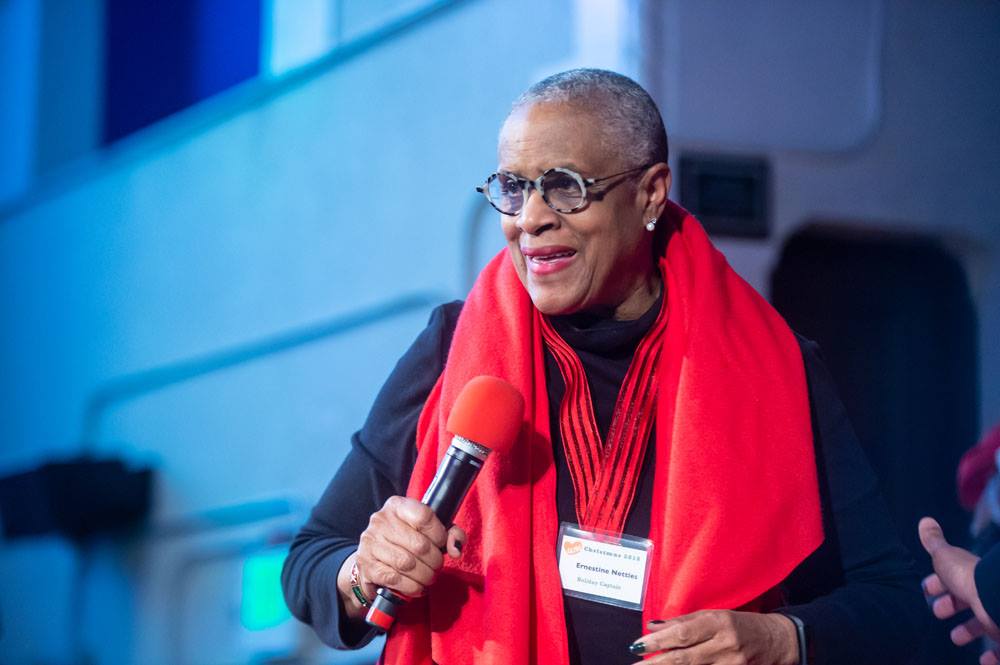
On the first day of Black History Month, we are delighted to feature and honor Ernestine Nettles, who this Christmas celebrated 50 years of service—not only to GLIDE, but to her community in Oakland, the Civil Rights Movement, gender equality and voting rights.

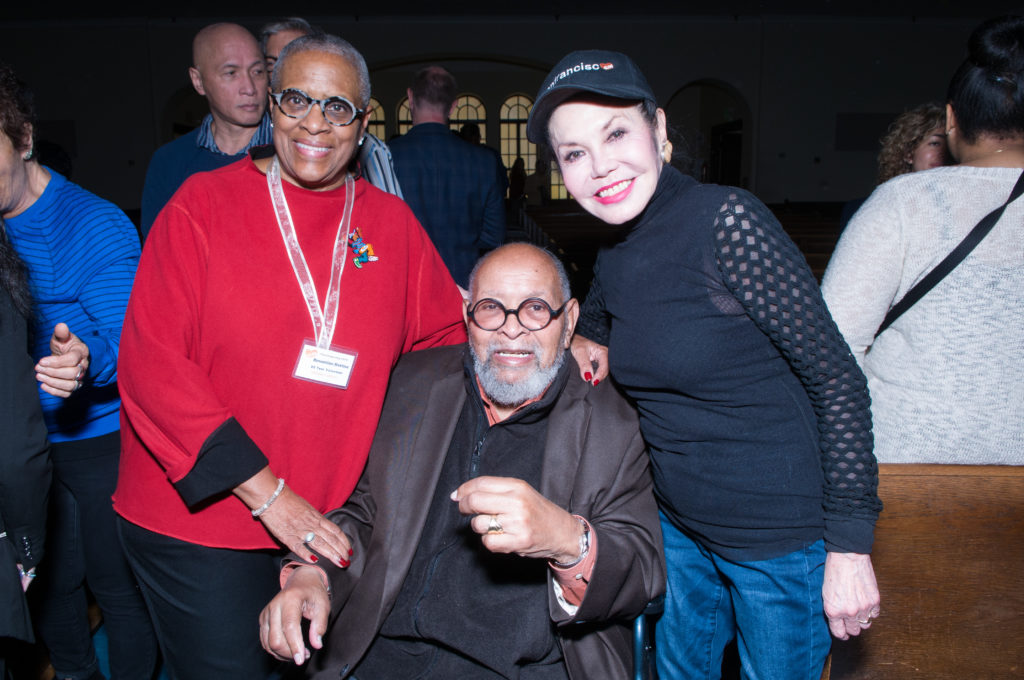
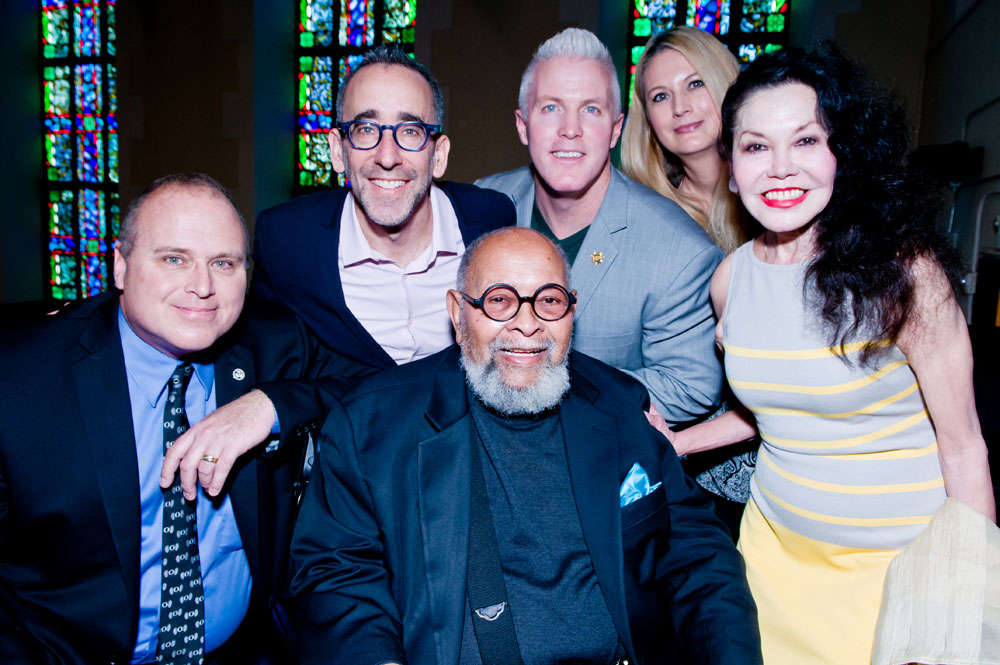
Ernestine Nettles with Rev. Cecil Williams and Janice Mirikitani

Ernestine Nettles with Rev. Cecil Williams and Janice Mirikitani.

Ernestine is a beloved pillar of the holiday feasts GLIDE organizes for its community. In fact, Ernestine is well known among holiday volunteers for being the first person to arrive on Thanksgiving morning, usually around 5:30 am. A couple of years ago she discovered that some of the younger volunteers had started a competition among themselves to see who could beat Ernestine to GLIDE on Thanksgiving Day!

Jennifer Gentile, a Holiday Volunteer Captain for 16 years, has many fond memories of working with Ernestine.

“I have extraordinarily strong feelings about Ernestine as a person, as my friend, and as the first person I see every Thanksgiving morning because she is our team’s early bird anchor. She is a phenomenal woman who truly has dedicated her life to serving others and fighting for civil rights, racial justice and gender equality.”

Jennifer mentioned that despite Ernestine’s years of working at GLIDE, this was the first holiday that she had her photo taken with Jan and Cecil.

“She’s very humble, and generally avoids any attention and certainly the spotlight, but 50 years of volunteering? That’s something!” says Jennifer.

A local justice hero

A committed activist and changemaker immersed in the Civil Rights Movement, Ernestine began volunteering with GLIDE in 1968 after meeting Janice Mirikitani and Rev. Cecil Williams while they were campaigning for the right to vote for 18-year-old Americans, and for girls’ and women’s right to wear pants to public school.

To have a cause that has stood the test of time and remained true to the initial dream is truly a blessing in these days.

“Cecil worked vigorously with the youth. Of course, he himself was young at the time! We got the legislation passed for the 18-year-olds’ right to vote, and we also went through the school boards and got the girls’ right to wear pants,” she says.

Due to their overlapping work, Ernestine has many recollections of Janice and Cecil over the years, and great insight into the trajectory of GLIDE’s programs.

“One day, Cecil and Jan were at my parents’ house and my dad said to Cecil, ‘Young man what is it you really want to do?’

“Cecil’s response was that he wanted GLIDE to be a place where anyone in San Francisco could come and get a decent meal and not have to go to bed hungry. That was his dream. And needless to say, the dream has come true.”

“In his quest to do that, everything else has happened—all the social services developed—and that was because of his ability to use funds for what they were meant for. To have a cause that has stood the test of time and remained true to the initial dream is truly a blessing in these days. I think that everyone has gravitated to GLIDE because it has always done what it said it would do and it was always a welcoming community.”

GLIDE Co-Founder Janice Mirikitani recalls working alongside Ernestine during pivotal social justice campaigns.

“I remember her having an enormous amount of energy. She was a firecracker! And very committed to justice issues. It wasn’t enough for her to just talk about it. She did a lot of work around the causes that she believed in. I’m really happy that she believed in GLIDE,” Janice said. “She put so much energy and time into volunteering for us. She is a very compassionate and giving individual.”

One of the things I tell young people is that when you’re looking at the issues and you’re looking at those candidates, make sure they have the right consciousness.

Besides her consistent volunteer work with GLIDE, Ernestine is highly involved in her local community. She is currently a Contract Compliance Officer with the City of Oakland, where she works to make opportunities available to small and very small local businesses. But creating opportunities and paving the way for others is not just her profession; it is truly her life’s work.

“I’ve always been a part of social justice movements; back then we called it civil rights! I’ve always worked in equal opportunity programs.”

She is one of the Vice Presidents of the Oakland League of Women Voters; one of the largest leagues in the country. Ernestine registered voters at the Women’s March and is passionate about transparency and responsibility when it comes to political fundraising.

“One of the things I tell young people is that when you’re looking at the issues and you’re looking at those candidates, make sure they have the right consciousness. Because doing the work that Cecil and Jan have done and that those at GLIDE do on a daily basis is a consciousness. It’s not something you do for money, per say, and I think everybody should make a decent living doing what they do, but you have to have the right consciousness.”

I think everybody should be responsible for some one who is less fortunate than them at some point along their journey. Like GLIDE and Cecil preach, we can’t be judgmental.

Additionally, Ernestine helped the late Mrs. Ethel Bradley, wife to Tom Bradley who was the first Black mayor of Los Angeles, build the Tom and Ethel Bradley Foundation. She works with Charles Blanchard in the National Association of Black Veterans, and she has worked closely with former Mayor of Oakland and House Representative the late Ron Dellums. In fact, Ernestine was Dellums’ very first intern in Washington D.C. She is also still connected with one of Dr. Martin Luther King, Jr.’s aides, JT Johnson, of Atlanta, and this past summer she joined JT and his wife on a trip to Alabama.

“I had never walked across the bridge in Selma. It meant a lot to me to have that experience with JT. I flew into Atlanta, we went to Selma, and then to Montgomery, where we went to the lynching museum.”

Still more, she is involved with the MLK Jr. Freedom Center at Merritt College, and sponsors children to play Little League Baseball in Oakland. Ernestine at one point also took in a homeless couple, after seeing the numbers of unhoused people in Oakland rise year after year.

“I gave them a place to stay, I gave them a job. When they left my home, they went to another home, and now they’re sustaining themselves. I think everybody should be responsible for some one who is less fortunate than them at some point along their journey. Like GLIDE and Cecil preach, we can’t be judgmental. When I look at people who are homeless or who have substance use issues I always say, ‘Except for the grace of God, there could go I.’”

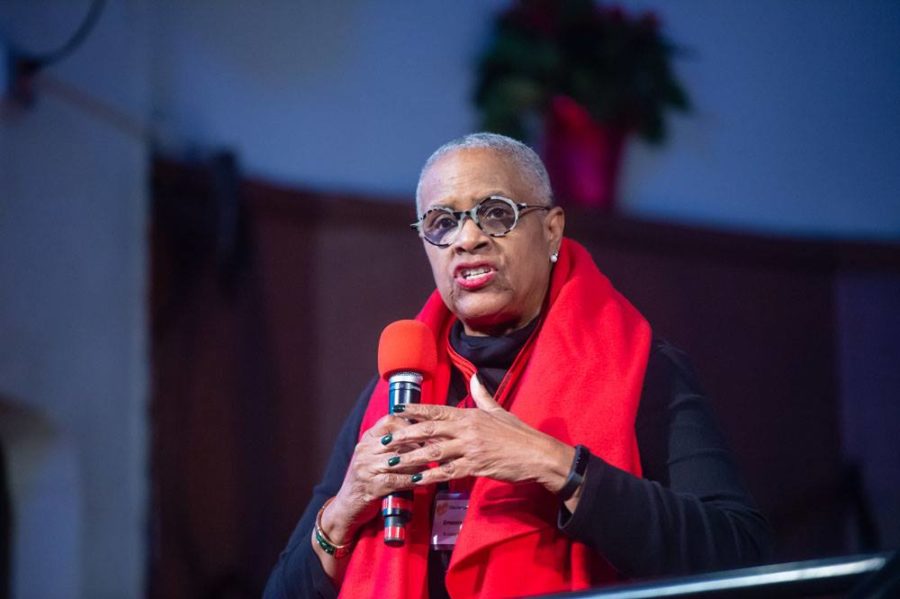
Ernestine speaking at GLIDE Church during Christmas Celebration.

Paving the way

When asked about her life of service, Ernestine emphasizes the knowledge that every-day people have the ability and the duty to challenge unjust laws, and her belief that “to whom much is given, much is expected and required by God.”

While her family was not wealthy, she says her parents taught her that you can make a difference by sharing what you have with those around you who are in need.

“When I was a child, there was a family that lived in our neighborhood that had just moved from Tennessee. The father was having trouble getting work. That Saturday my mother and I went shopping and my mother put two boxes in the trunk of the car. When we were going home we stopped at our neighbors’ house and asked the mother to send one of her sons out to get a box of groceries. The lady was standing on the porch crying, holding her youngest child in her arms. She called my mother later and thanked her and said, ‘You know, if it hadn’t been for you we didn’t know what we were going to feed our children tonight.’

“My parents taught me that every generation is there to make it easier for the next. I have no children, I’ve never been married, but I feel I have an obligation to do something to make it a little better for those who come behind me.”

Crickette Brown Glad shares her truth and experience with GLIDE’s harm reduction outreach

GLIDE Church has a long-standing tradition of featuring voices from the community in a segment of Sunday Celebration called “I Am GLIDE.” Personal testimonies on the strength and power of unconditional love from our program participants, congregants, donors and volunteers provide what we often refer to as “the GLIDE sacred text.” We feature these inspiring stories here when we can.

Continue reading “We’re talking about our family”

GLIDE’s blend of meals, celebration and social justice adds up to a delicious holiday feast for the community

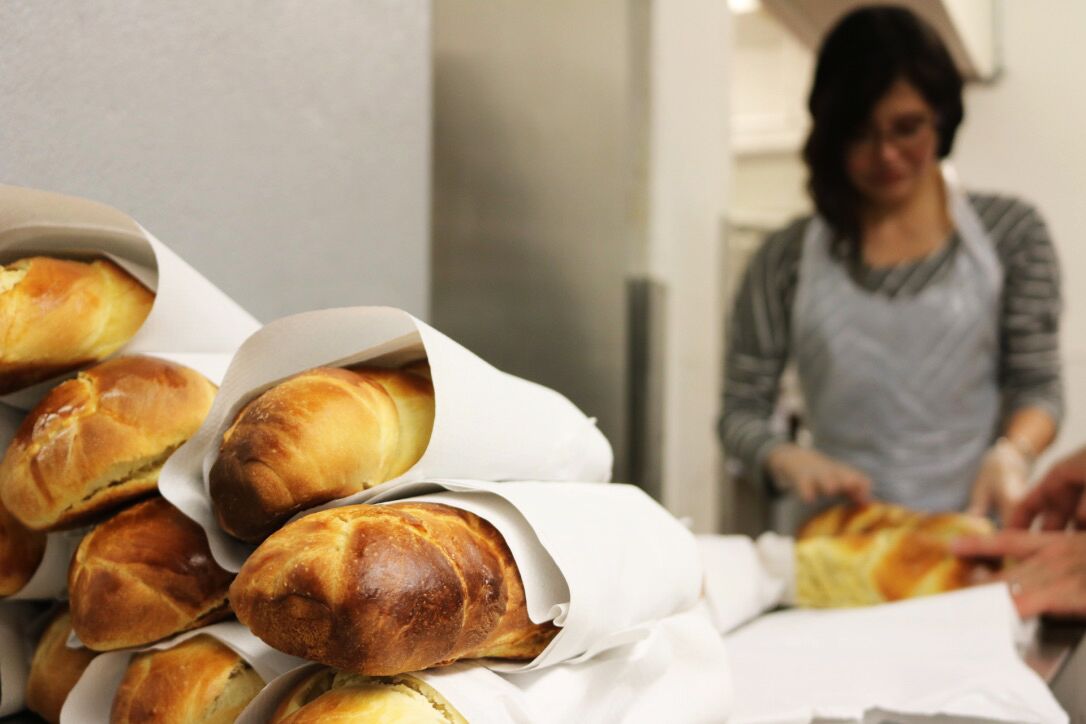
When Rabbi Michael Lezak joined GLIDE’s Center for Social Justice last year, one of his main goals was to connect broader Bay Area Jewish communities to GLIDE’s dynamic work. And what a year it’s been! Michael has brought in hundreds of community members from local synagogues and schools to serve meals, engage in proximate justice training courses, and, with the help of a steady volunteer group and our Daily Free Meals team, bake challah to give out to GLIDE staff every Friday morning on the principle that “you need to feed the people who feed the people.”

Continue reading “Challah for Christmas!”

Eric Tatum is a beloved long-time staff and community member at GLIDE. He has seen many changes over the decades, and has recently been collaborating with our Adult Education Specialist Stephanie McNally to record and archive his invaluable memories. We are grateful to Eric for recognizing the historical significance of his perspectives and experiences, and for sharing his personal truth with our community.

How did you end up knowing so many people?

Cecil gave me a job the first day he met me. Cecil asked me what I wanted to do with my life and I told him I don’t know. He told me there was a position open at GLIDE because someone was leaving the stockroom. I worked in the stockroom until December. There was many events coming up and Cecil asked me if I wanted to participate in the company events that were coming up.

So I went with him as a security guard and bodyguard. He liked how I worked and I became his bodyguard and security guard for 10 years. So everybody who he knew I met; anybody who met Cecil, I met, you know, being his top security guard.

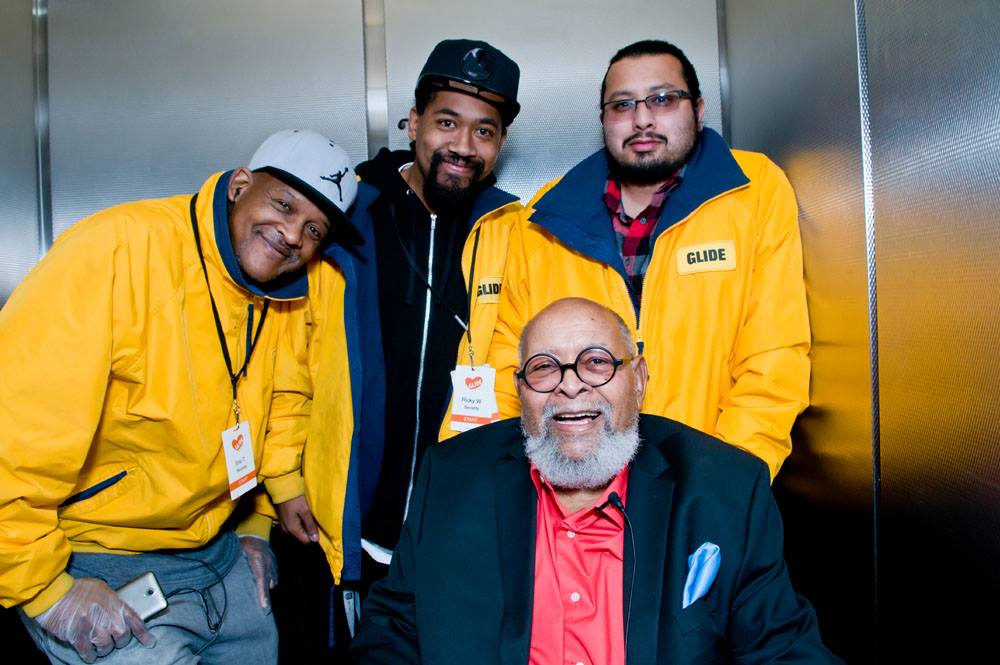
Eric, Ricky and Ivan with Rev. Cecil Williams.

So that’s how I ended up meeting everybody—going to the games, going different places, going to the state capitol, going to the White House. I was right there with him. President Clinton came. I got to meet him, Hillary and their daughter. I went to the inauguration. I went to Washington for the first day that Clinton got in office.

What did it mean to you, that Cecil asked you to play this role in his work?

It changed my life dramatically because I had just got out of the penitentiary. I had never heard of GLIDE. The only place I heard of Cecil was on the news—the man with the Afro, the man who married gay couples. That’s all I knew of him. I’d never seen GLIDE.

Some homeless people told me about GLIDE, told me to come here on a Sunday for the pork chops—and that’s what I really came for, to eat the pork chops!

I didn’t know nothing about the volunteering. I didn’t know nothing about the activities here, you know. Only thing I knew about San Francisco was Powell Street. And the beach, because they had the museum back then.

That was the only thing I knew about San Francisco. I came here and started volunteering and everything started growing on me, you know. All the events, all the people started growing on me.

And people start treating me differently because I was with Cecil. People thought I was a big-time person now when I wasn’t. I was homeless at the time.

It was a big step for me because I learned a lot about diversity. I actually got in a lot of trouble back then because the gay guys would call me heterosexual. And I didn’t know what heterosexual meant and I would get mad at them and tell them, ‘Don’t call me that because I’m not gay!’

So one of the heterosexual guys pulled me to the side and told me what heterosexual meant, that you straight, and that’s what they were saying, that I was straight.

Eric Tatum at Grocery Bag Giveaway 2017.

I wasn’t into the gay population until Cecil put me in ‘Man Alive’. It was called ‘Man in Motion’ back then. I went to the ‘Man in Motion’ and learned the diversity of gay people and straight people. That taught me how to love and accept everybody. I learned that diversity.

Do you think in learning to love and accept everyone you also found more love for yourself?

Yes, I found a lot of love for myself because I seen a lot of people loving me. I didn’t love myself back then because I was on a lot of drugs back then, I was out of the penitentiary – and this was all stuff that was new to me, being on drugs and I had never been to the penitentiary a day in my life. They told me they were going to make an example out of me because I was a college student. They gave me 10 years, but I did five.

Coming to GLIDE really changed my life. Like I said, it gave me stability. It taught me who I was and it taught me how to love and accept other people, you know. It taught me that I’m powerless over people, places and things, so it brought me out of a dark closet.

So now I have light.

The book No Hiding Place really taught me, you know, because you can’t hide from yourself.

Back then, Cecil’s motto was, “Take your mask off.” You can walk around without a mask at GLIDE. You don’t need to wear a mask at GLIDE. You could be yourself, you know. People can accept you or reject you. I just learned how to have exceptions and those who didn’t want me I just learned how to deal with that. Basically that’s how I learned to have exceptions for myself, you know.

How to love and treat people as they are.

Building social justice mindsets in law enforcement communities

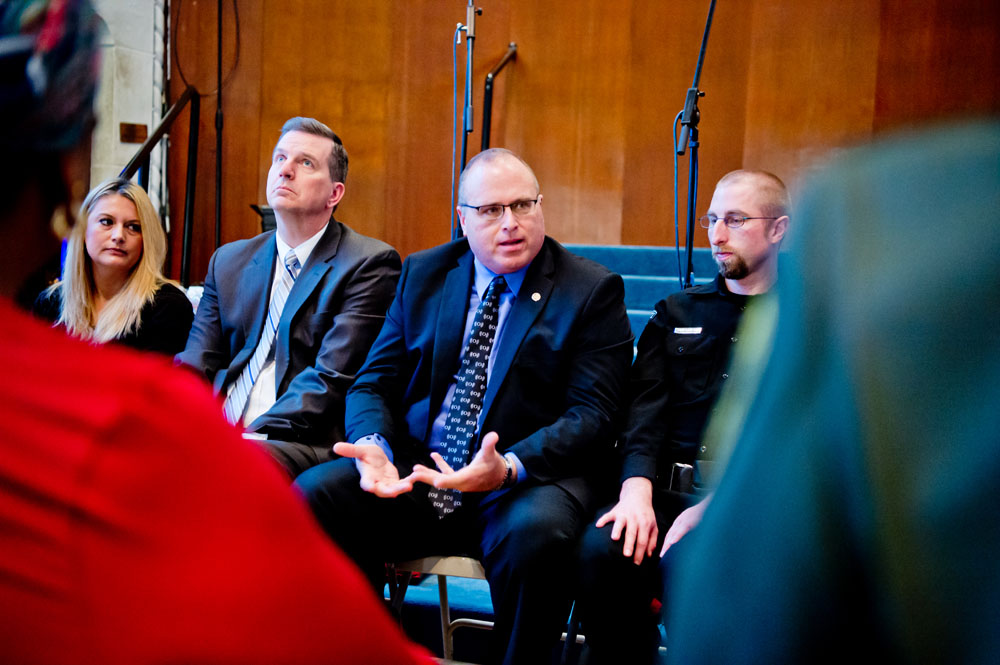
With the arrival of Rabbi Michael Lezak last year, GLIDE’s Center for Social Justice (CSJ) has been able to expand and deepen the ways we emphasize truth and reconciliation in our efforts around advocacy, staff development, and community building. In April, CSJ welcomed police departments and district attorneys’ offices from around the western United States for our first “An Officer and a Mensch” training. This curriculum seeks to instill greater understanding and care between law enforcement and the people of historically oppressed communities like the Tenderloin.

Rabbi Michael leads the initiative in partnership with Chief Matt Carmichael from the University of Oregon Police Department, and Yolo County District Attorney Jeff Reisig.

“I look at GLIDE as a lifeboat in a sea of need,” says Matt. “It’s a simple idea, to come where the need is and teach our criminal justice professionals that to be a good leader you have to know your community and who you serve. What better way to learn who you serve than spending time at GLIDE.”

Matt and Jeff along with about 25 law enforcement professionals spent three days at GLIDE, discussing everything from racism in the criminal justice system to the causes of the opioid crisis to what truly compassionate human interactions should look like. They also volunteered as a group in our Meals Program and met with GLIDE staff from across the organization to learn about our values-based approach towards serving our Tenderloin community.

“The vision was to create an opportunity to change the paradigm, to bring law enforcement leaders into this experience of opening our minds and broadening our perspectives, even if it’s just a little bit, to a different way of approaching the issues that affect us all: homelessness, poverty, addiction, mental illness,” says Jeff. “The goal and the prayer is for law enforcement leaders to develop more hope, more understanding and maybe change the way we do the job a little bit.”

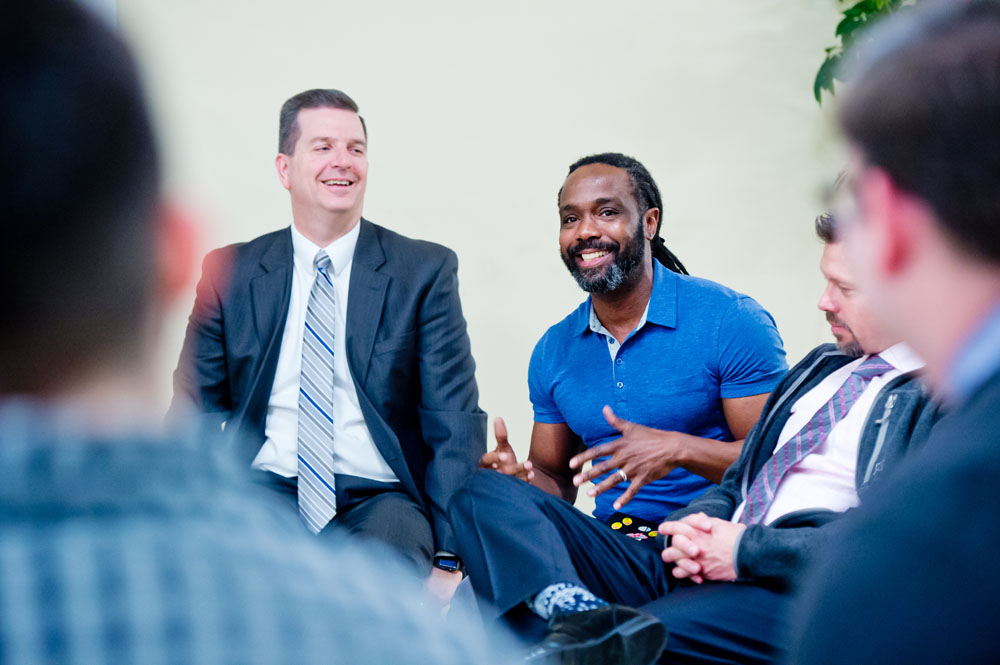
GLIDE Senior Director of Programs Kyriell Noon speaking to the group about GLIDE services and community engagement. Photo credit: Alain McLaughlin

The training left a positive and lasting impression on the participants, so much so that Rabbi Michael and GLIDE are already prepared to welcome another group after Thanksgiving this year. Michael, along with Director of the CSJ Miguel Bustos, are in the process of refining the curriculum and in conversation with various law enforcement professionals about instituting it as part of the core training for officers in departments across the west coast.

“This partnership at GLIDE is the only one of its kind in the country,” says Matt. “What’s wonderful about what you did for us is that it’s a re-connection, a reminder of our responsibility to leave no one behind. We have to serve everyone.”

Chief Matt Carmichael speaking during the final session of the training. Photo credit: Alain McLaughlin


Angela Coleman has worked at GLIDE in various roles for 13 years, and is currently a much-loved Case Manager with our Walk-In Center. GLIDE recognizes the need to work closely with formerly incarcerated women and their families. New research shows that formerly incarcerated people are nearly 10 times more likely to be homeless than the general public, with Black women experiencing the highest rate of sheltered homelessness – nearly four times the rate of white men, and twice as high as the rate of Black men. As a Case Manager with GLIDE’s Walk-In Center, Angela has been doing this important work for years. Angela took some time recently to discuss why she works with imprisoned and formerly incarcerated people, and what societal and systemic changes she wants to see. Continue reading “Lending Hope”