
manny's 2025 overdose
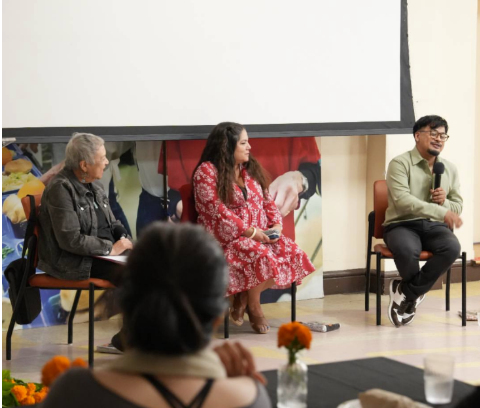
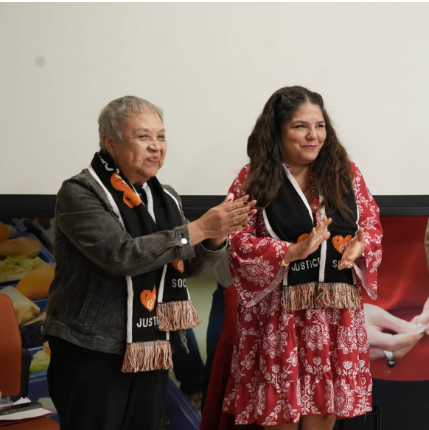
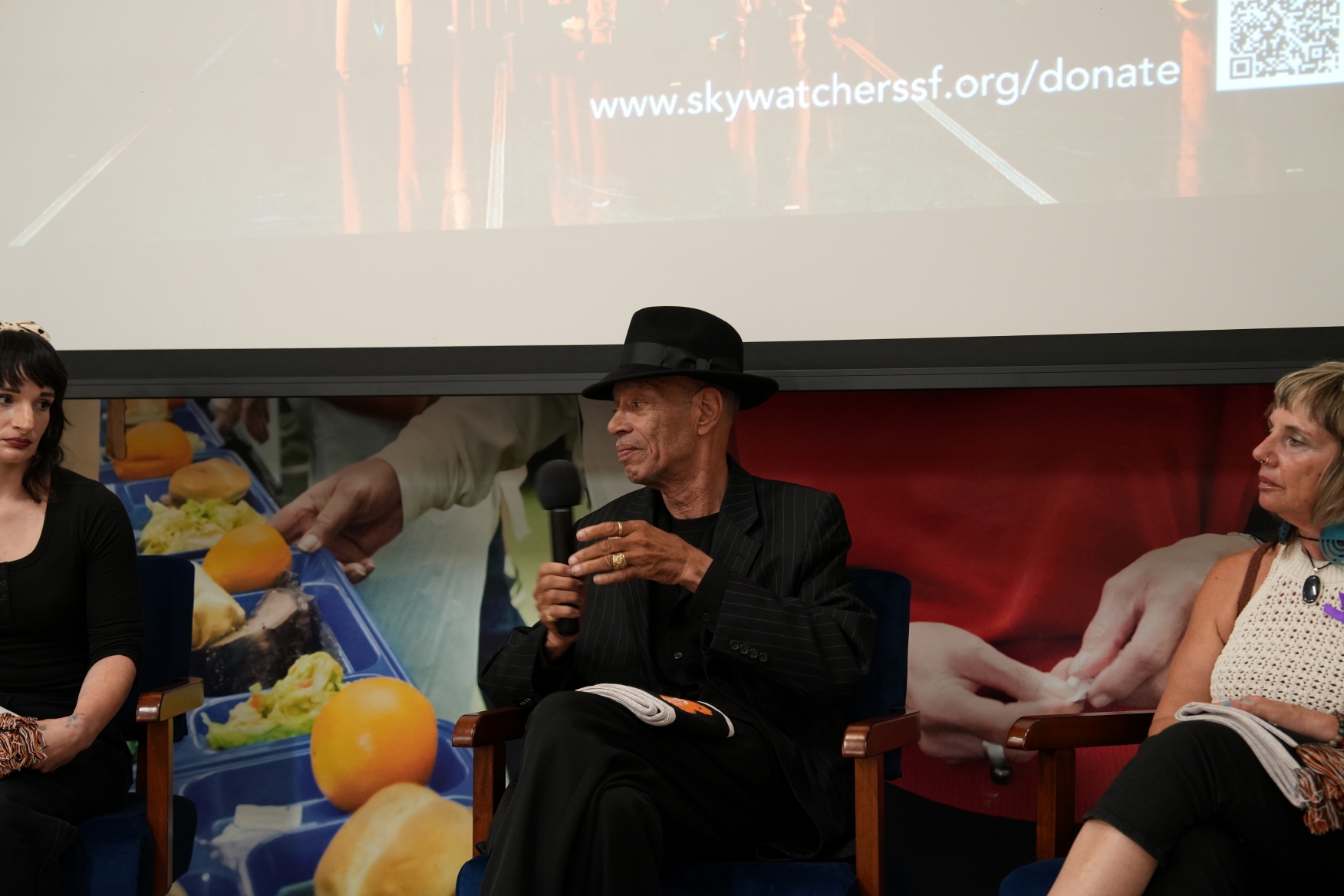
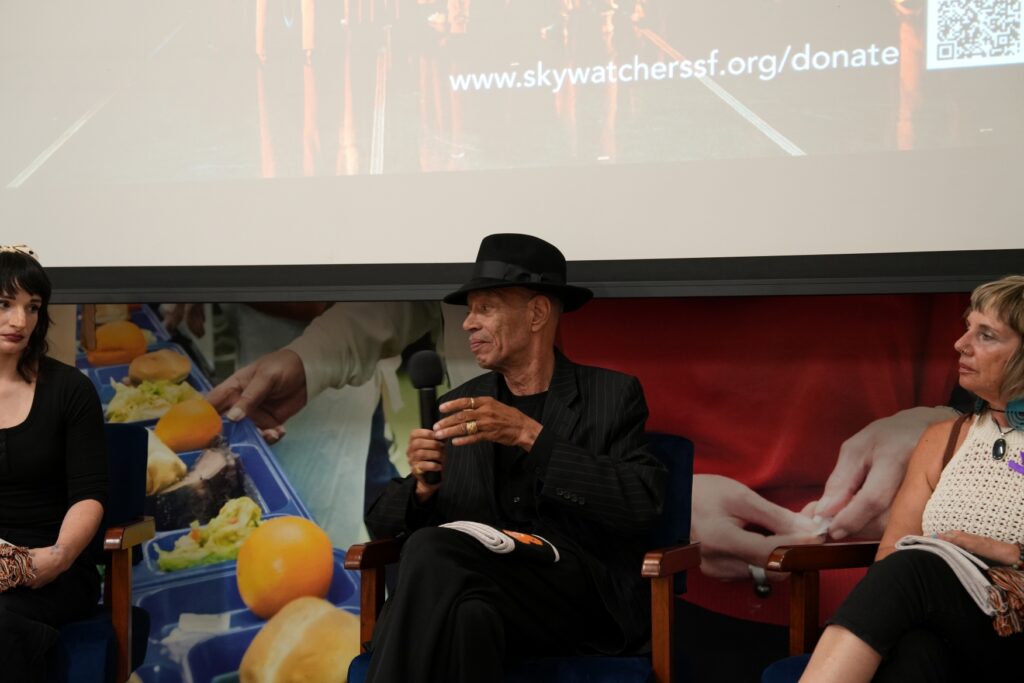
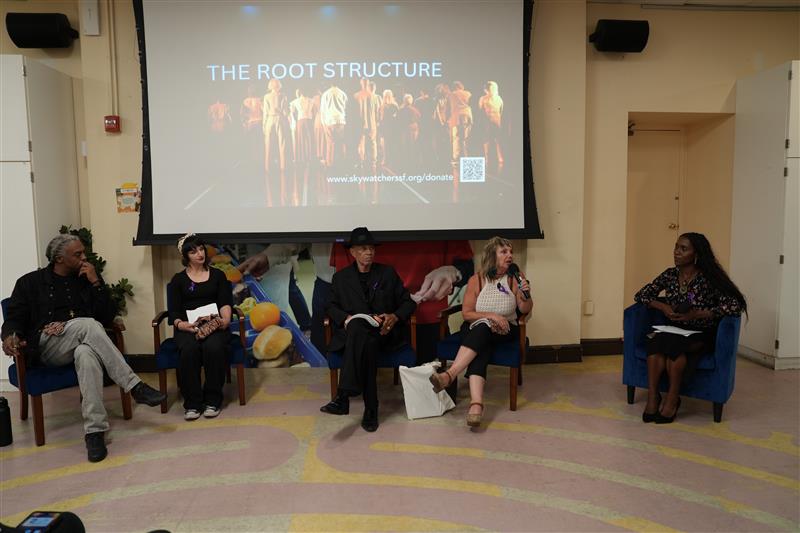
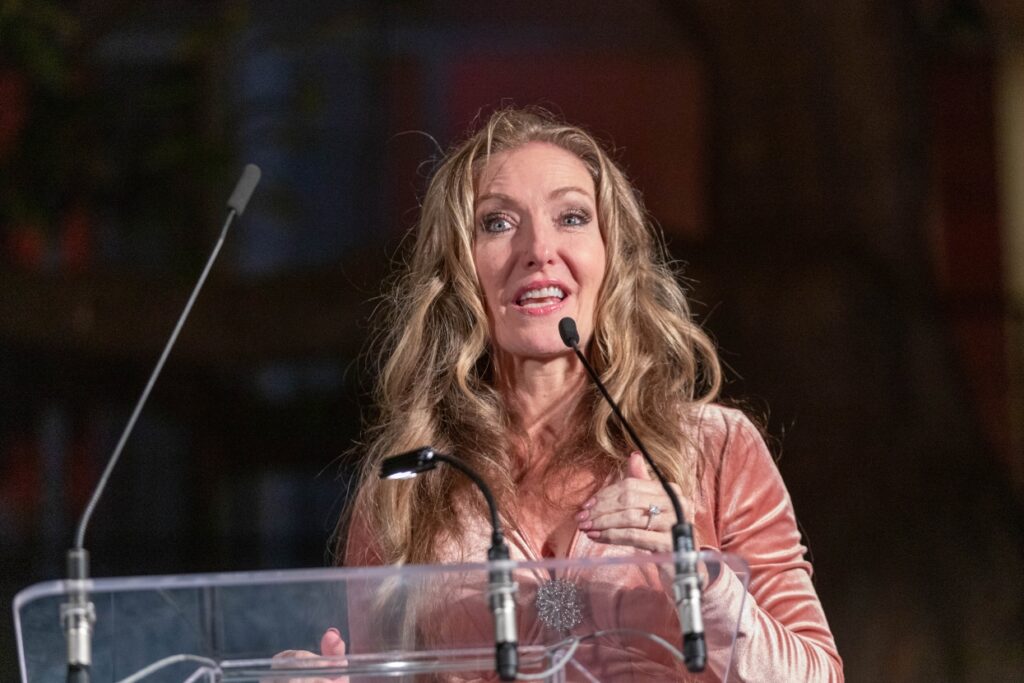
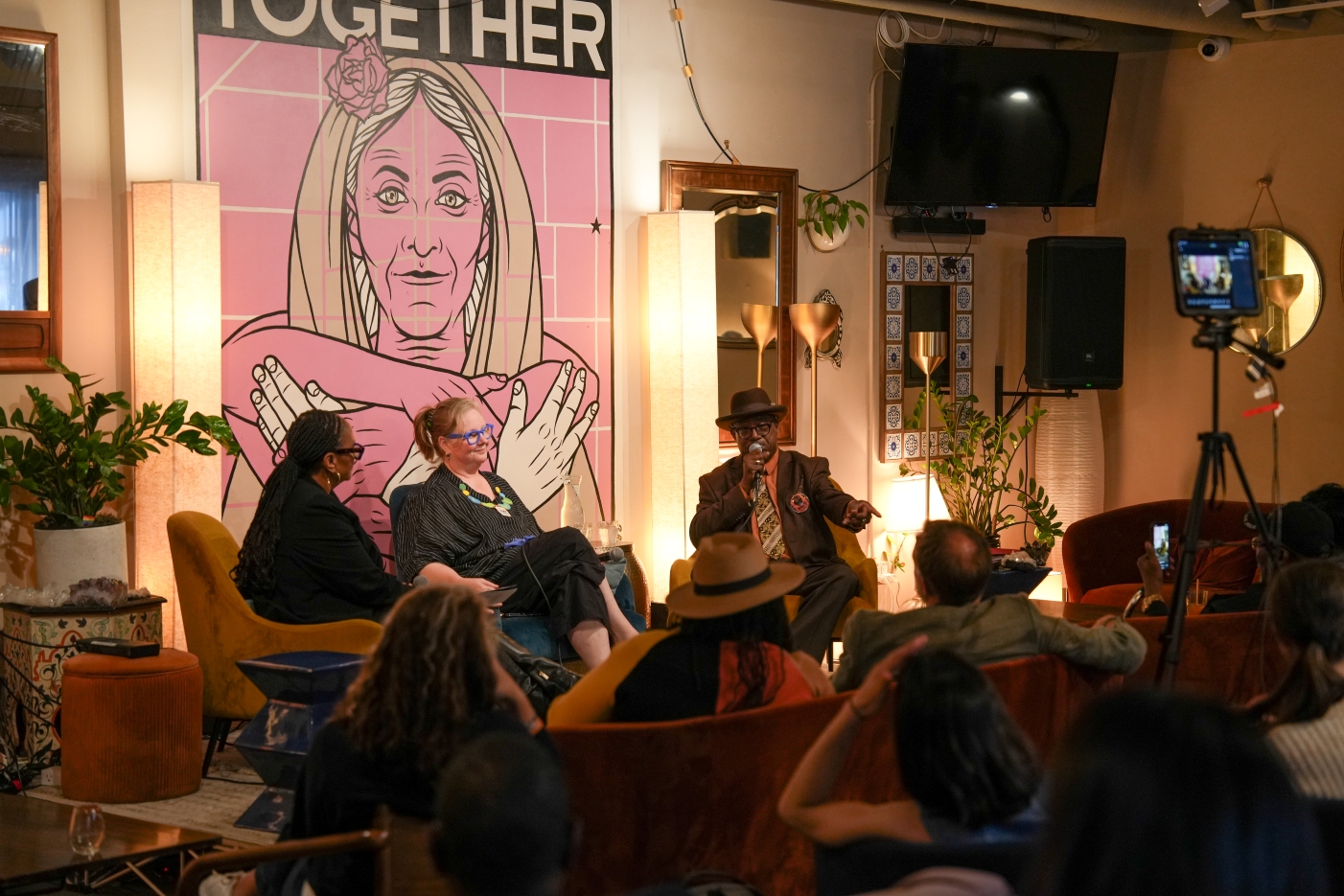
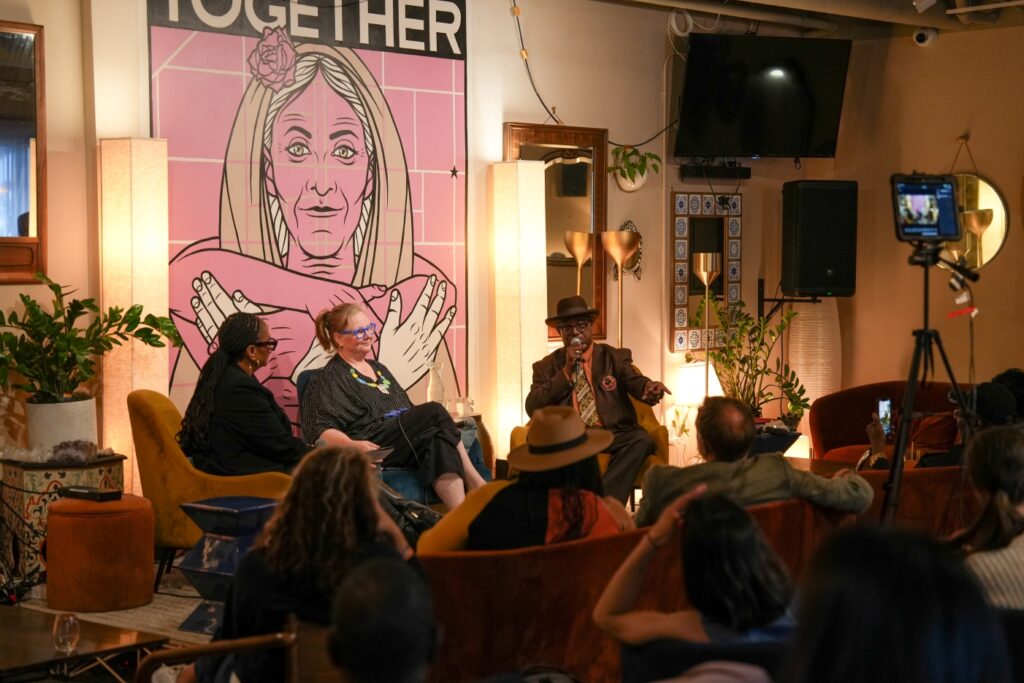
GLIDE President & CEO Dr. Gina Fromer (l), Lydia Bransten, Executive Director of The Gubbio Project (m), and Richard Beal, Director of Recovery Services at Tenderloin Housing Clinic (r)

At Manny’s in San Francisco this September, a timely and heartfelt conversation took place—one that’s not just urgent for our city, but deeply personal for so many. Moderated by Dr. Gina Fromer, President and CEO of GLIDE, the event featured two leaders on the front lines of addiction and recovery work: Richard Beal, Director of Recovery Services at Tenderloin Housing Clinic, and Lydia Bransten, Executive Director of The Gubbio Project. 

In a city grappling with a public health crisis and visible human suffering on its streets, the conversation wasn’t about quick fixes or ideology. It was about what works—what’s real—for different people. And what emerged was a shared truth: there is no single path to recovery. 

“Addiction is not just substance use. It’s what happens when someone loses hope.” 

Dr. Fromer opened the night by naming what so many San Franciscans feel but struggle to articulate. “Addiction is more than substance abuse,” she said. “It’s pain, it’s trauma, it’s loss. And the people hurting the most are often the ones we see every day on our streets.” 

GLIDE, rooted in radical inclusion and unconditional love, has long been a sanctuary for people seeking recovery, healing, and community. But Dr. Fromer wanted to make one thing clear: “There’s a false perception that GLIDE doesn’t do recovery. That couldn’t be further from the truth. We are recovery. We walk with people wherever they are—methadone, Suboxone, abstinence, harm reduction. It’s not one or the other. It’s a spectrum. And we serve all of it.” 

Two Paths, One Goal: Healing 

For Lydia Bransten and Richard Beal, this work isn’t theoretical. It’s personal. It’s lived. 

Lydia, whose own recovery journey brought her to this calling, recalled finding her purpose as an art therapist at St. Anthony’s. “I discovered a community of people who are beautiful and struggling,” she shared. “Everyone deserves dignity. We don’t give it to them—they already have it. What we offer is respect. We build trust, and that’s the foundation for healing.” 

Richard, a recovery counselor for more than 25 years, spoke from raw experience. “I didn’t know anything about AA or NA. I only knew the DA,” he said. “I was 12, selling 50-cent joints. I never had a job until recovery. Now, I look back and say: if I can do it, you can too.” 

Richard’s voice is deeply rooted in abstinence-based recovery, a model that saved his life—and the lives of many he’s walked alongside. But he also recognizes the value of harm reduction. “I’m grateful harm reduction exists,” he said. “But abstinence is the purest form of it. We can’t just hand someone a foil, or pipe, and walk away. If you value a life, you can’t let someone suffer without offering a path out.” 

“Fentanyl changed everything.” 

Both panelists agreed: the drugs on the streets today are deadlier than ever before. Fentanyl has upended decades-old models and demands urgent, adaptive care. 

“Harm reduction today isn’t what it was,” Lydia explained. “We’re seeing people who don’t even know they’re using fentanyl. It drags you deep. That’s why our harm reduction work includes medical care, a place to rest, connections to treatment, even art. We’re not just handing out supplies—we’re building a bridge to something better.” 

She shared the story of a woman who had been living on the streets for six years. “We helped her get her wounds cleaned. She started talking. Now she runs our art program. She’s not sober yet—but she’s getting there. She’s awake again. And that matters.” 

Richard, while critical of some harm reduction programs, emphasized that real recovery often starts with a relationship. “I’ve lost two brothers, my first wife, my nephew—to addiction. I can’t just sit back and hand someone a pipe. But I do believe in meeting people where they are—as long as we don’t leave them there.” 

Bridging the Divide 

The tension between harm reduction and abstinence isn’t new. What’s refreshing is the willingness of leaders like Richard and Lydia to talk—really talk—across that divide. 

“We’ve got to stop meeting in separate rooms,” Lydia urged. “We’re working with the same people. Instead of fighting on social media, let’s sit down and coordinate care.” 

Richard agreed. “If Lydia calls me, I show up. That’s why they call me the Ambassador for Recovery. We need each other.” 

Both called for more housing, especially drug-free and sober-living environments, more primary care and mental health services, and more culturally competent providers—especially Black therapists and doctors. 

“You don’t get to define my recovery.” 

What was perhaps most powerful throughout the evening was the shared insistence that recovery is personal. 

“Everyone’s journey is different,” said Lydia. “Some people stay on methadone or Suboxone for life. Some don’t. The goal is health. Dignity. A life worth living.” 

Richard echoed that sentiment: “You can be free. You don’t have to be a slave to addiction. Recovery is not just abstinence. It’s a spiritual transformation. It’s being alive.” 

And for both, the measure of success isn’t just sobriety. It’s connection. It’s community. It’s love. 

Looking Forward: What We Need Now 

If there was one takeaway from this conversation, it’s this: 

We cannot afford to treat addiction with a one-size-fits-all solution. 

We need recovery beds and harm reduction centers. We need safe use supplies and treatment referrals. We need drop-in clinics, job training, sober housing, and mental health care—all at once. 

We need to stop pitting providers against each other and start funding the full spectrum of care. 

And we need to center the voices of people like Richard and Lydia—people who have walked through fire and come back carrying buckets of water for the next person. 

Love Saves Lives 

As Dr. Fromer said in closing, “We all want the same thing: for people to be happy, housed, off drugs, and loved. Love saves lives. And everyone—no matter where they are on their journey—deserves that love.” 

Whether your path is harm reduction, abstinence, or something in between, the message from this conversation is clear: 

There is hope. There is help. And there is no wrong door to recovery. 
hispanic heritage month 2025

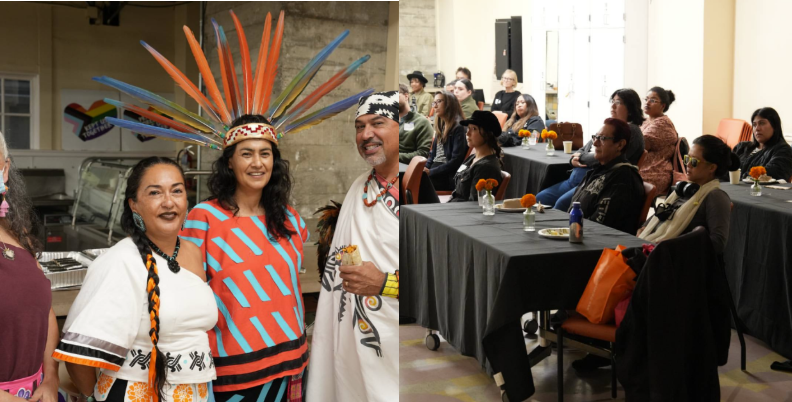
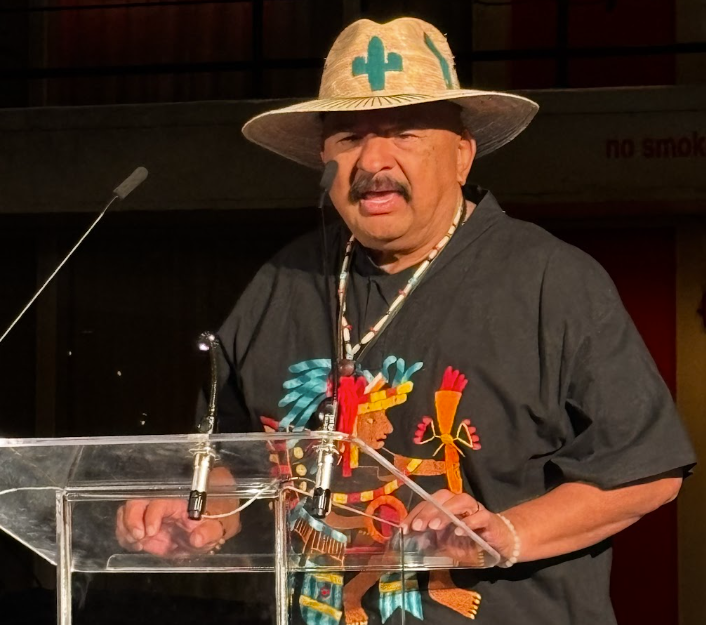
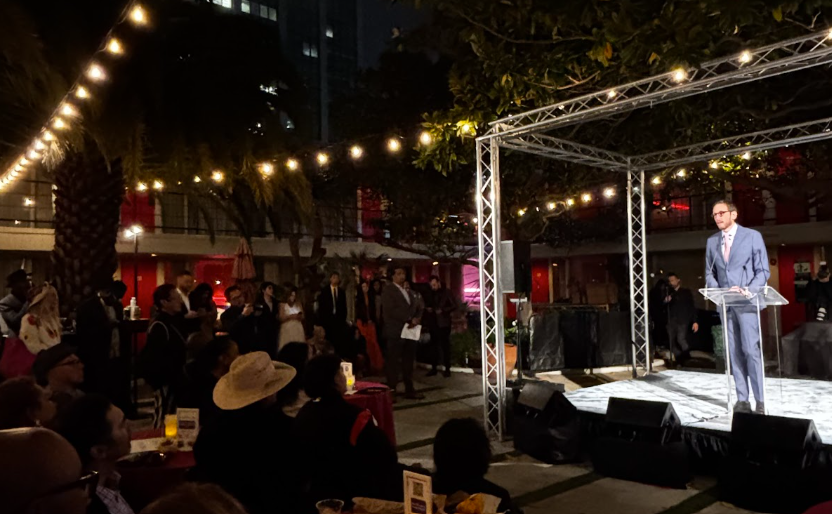
Hispanic Heritage Night filled the halls of GLIDE with the sound of conch shells and poetry on Thursday, September 18th. Activist Olga Talamente welcomed the audience into, “a space for indigenous wisdom to be passed down to future generations.”   

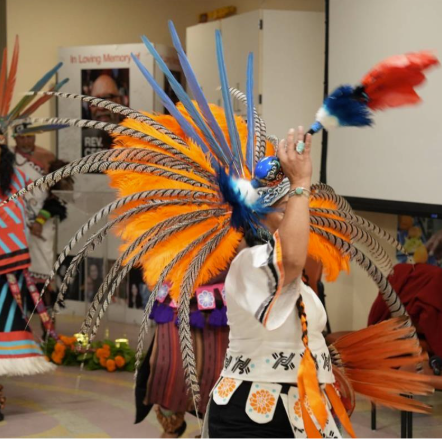
Then we were treated to a performance by Danza Xitlalli, performing the dance of the Mexica Nahuatl dressed in full regalia. Shells and feathers swung through the air as they performed dances in honor of earth, fire, healing powers of plants/life, and the four cardinal directions. Each was powerful.  

hispanic native dancing

After being reminded of ancient wisdom, the evening then turned towards present events. Two Latino preeminent poets (Yosimar Reyes and Leticia Hernandez) came up to perform and be part of a panel talking about their experiences. One the most powerful quotes of the night was from Yosimar, speaking on how taking care of his dying grandmother affected him: “I don’t have control over the policies that affect my community, but I can control how I take care of my loved ones.”  

We also can use our creativity to oppose the injustice we see and imagine a better world. “The signs of fascism are here, and we can stop it with our art,” was a word of both warning and hope that resonated deeply with the audience.  

hispanic heritage month audience

Hispanic Heritage Night is vital for reminding us about the importance of immigrants as their rights and existence are being attacked in our government and society. They’re integral parts of our society, coming for the American Dream and lifting us up with their hope and belief in our country As our speakers reminded us: “Solidarity, not charity. Now and forever! 

hispanic speakers 2025
tacing and Jason
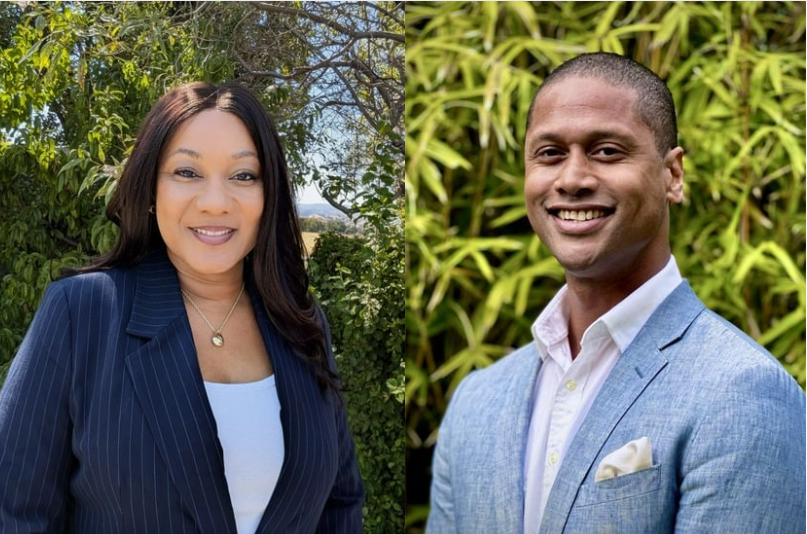
Tacing Parker (L) and Jason Finau (R)

Two extraordinary leaders recently came on board to help shape the future of compassion and impact at GLIDE: Tacing Parker, our Chief Program Officer, and Jason Finau, our Senior Director of Health and Clinical Services.  

Tacing brings visionary leadership and a deep commitment to equity, guiding our programmatic work with passion and purpose. Jason leads with heart and expertise, ensuring our health and clinical services remain rooted in dignity, healing, and accessible care for all. Together, they embody GLIDE’s mission of radical inclusion and social justice, and we are thrilled to have them at the helm of this vital work. 

Below are a series of questions we asked both Tacing and Jason to fill in their picture of what working at GLIDE means for them and the work that they will be doing.  

Tacing Parker 

How did you get into your chosen field/industry? What inspired you?  

Early in life, my mother instilled a deep sense of community-centeredness and service. She believed that giving back was essential to being a good human, and she wanted that for her children.  Whether it was volunteering for local charity events, offering help to a neighbor in need, or standing in solidarity with those facing adversity, my family taught me that service wasn’t just an act—it was a way of life.  

I vividly recall the countless times we would come together as a family to support others, whether participating in community efforts, or simply offering a kind word to someone going through a rough patch.  It wasn’t just about giving material help; my mother and family emphasized the importance of showing up for others—of being present and compassionate in times of struggle. Her actions consistently demonstrated that even small gestures of kindness can have a profound impact, and that every act of service, no matter how seemingly insignificant, contributes to building a stronger, more connected community.  

Over time, I internalized this mindset, realizing that community is built on mutual respect, empathy, and shared responsibility. Growing up in this environment of service and support, I learned that we are all interconnected, and that our personal success is tied to the well-being of those around us. 

What are you most excited about working on at GLIDE?   

GLIDE is a great organization with a distinguished legacy of service to and in partnership with the community. As a multiservice organization, it offers numerous opportunities for contributing to a variety of roles and capacities. I am particularly excited by the opportunity to engage in supporting our leaders in a thoughtful way, building on the work that has been previously done by further aligning our programs and services to ensure they are integrated across the organization. 

What’s your go-to productivity trick or essential tool for getting work done?  

One of my primary strategies for ensuring the completion of tasks and projects is to be sure to allocate time for focused work on my calendar. Over the years, I often found myself attending meeting after meeting, only to realize that I lacked the necessary time to address the action items stemming from those discussions. Over time, I recognized that, given the significance of the work I was involved in, it was essential to set aside dedicated time for follow-up on meeting outcomes. To maintain productivity and stay organized, I typically reserve blocks of desk time throughout the week, aligning them with my to-do list to ensure continuous progress.  

What’s the best piece of professional advice you’ve ever received?  

I’m paraphrasing but one of the best pieces of advice I’ve received was, “Each of us has an opportunity to have an impact in the world, make sure yours is one you will be proud of.” 

Jason Finau 

How did you get into your chosen field/industry? What inspired you?  

I’m a social worker by trade and I was inspired by the women in my life to do this work. My maternal grandmother (Motiana Isala) and my mother (Fialelei Finau) provided the framework for what it means to be in community not just with your biological family, but with the community as a whole. In the Pacific Islander culture (my family is from American Samoa), we literally embody the “it takes a village” lifestyle. 

Because my mom was a nurse in the Navy, I spent a lot of my childhood growing up in hospitals, so I initially went to school to become a pediatrician. However, during my studies, I learned about social work and how the role of a social worker in the community aligned more with my career/life goals than becoming a doctor.  

I wouldn’t be here today if it weren’t for the phenomenal women I’ve met along the way (Prof Karen Baum, Dr. Sharon Elise, Sandra Teixera, and Raquel Wells to name a few) who educated me, motivated me, coached me, and who continue to inspire me to keep showing up in this work. 

What are you most excited to work on at GLIDE?   

I am SUPER excited to help enhance our behavioral health services at GLIDE. Part of that goal will be launching Barbershop. Our hope is to create and foster a warm and inviting space for older Black men in the community where they can access grooming services and get connected to care to address the overdose fatalities, substance abuse, mental health struggles, and social isolation that is prevalent in that demographic. 

What’s your go-to productivity trick or essential tool for getting work done?  

Setting reminders for myself in Outlook to step away from my computer and take a walk. Engaging in any mindfulness activity during the day, even if it’s for 10-15mins, helps me to get out of my own way when trying to accomplish a task. 
 

What’s the best piece of professional advice you’ve ever received?  

When it comes to work, nothing is so urgent that you need to sacrifice your health (physical, mental, emotional, social, and/or spiritual) to get it done. 

maria valesquez
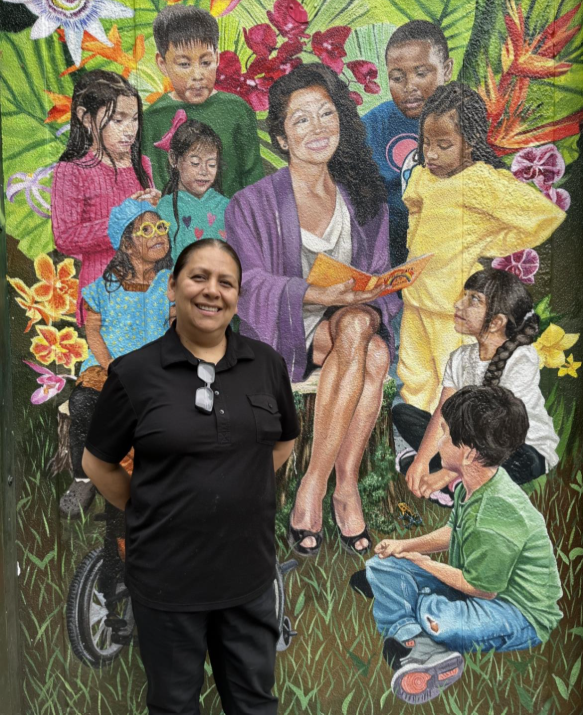
Maria Velazquez standing outside GLIDE’s Janice Mirikitani Family Youth and Childcare Center at 434 Ellis Street

When Maria Velazquez arrived in San Francisco from Mexico City in 2000, she carried with her the hopes of a better life for herself and children. With her teenage daughter Marisol by her side, she stepped into a new city filled with promise but also with challenges. Her young son Miguel stayed behind in Mexico for a time, cared for by Maria’s mother, until he could join his sister in their new home two years later. 

Maria’s sisters had already made the journey north, assuring her that San Francisco could offer more opportunities than she would find back home. Taking that leap of faith, Maria threw herself into work—three jobs at once: prepping food in a restaurant, serving rooms in a hotel, and stocking shelves in a shoe store. “It was a lot of work, but I was happy,” she recalls.  

Life grew more complicated as her family expanded. In her mid-thirties, Maria welcomed two more children, Aliyah and Lisandro. Caring for a baby while balancing work proved overwhelming, and Maria found herself struggling. By then, she was living across the street from GLIDE on Ellis Street, watching the comings and goings of families each day. Her sister encouraged her: Why don’t you go and ask them for help? 

That step through GLIDE’s doors changed everything. 

Maria remembers first meeting staff members Alana and Russell, who saw the strain she was under. “They called me a week later to say they had a place for Lisandro, who was just a toddler. Later, Aliyah joined too.” Soon, not only Maria’s children but also her grandson Kevin and her sister’s children became part of GLIDE’s Family Youth and Childcare Center (located at 434 Ellis Street). Together, they accessed preschool, afterschool programs, parenting classes, child development workshops, and summer camps that became the foundation of their growth. 

What made the difference, Maria says, wasn’t just the academics. “The kids learned so much—not just reading and math, but how to brush their teeth, how to use the bathroom, and how to behave. Their teacher was strict but very caring.” In their home, Spanish was the language of love and tradition, but it was at GLIDE where her children learned English, opening new doors for their future.

GLIDE’s Family Youth and Childcare Center supports the entire family, also referring parents and their kids to other GLIDE resources and programs

And more than 15 years later, things couldn’t be brighter for Maria’s children. Aliyah is 19 and studying mechanical engineering at UC Santa Barbara. Lisandro, nearly 18, is at Cal Poly San Luis Obispo. Her grandson Kevin is in high school at Galileo Academy in San Francisco. Maria beams with pride as she speaks of them, knowing that the foundation laid at GLIDE has helped carry them forward. 

But Maria also insists that GLIDE’s Family Youth and Childcare Center wasn’t just there for her children—it was there for her. “GLIDE helps not only the kids but also the parents. They always ask how you are doing, how things are at home, how your job is going. They care about the whole family.”  

Looking back, Maria’s gratitude shines through. “I only have good things to say about GLIDE. They took really good care of my kids, and I’ll always be grateful.” 

Her story is one of resilience, of a mother’s determination, and of the power of a community that embraces families through every stage of struggle and growth.

For Maria, GLIDE was not just a resource, it offered coordinated care across multiple areas of her life. In short, it was a lifeline. 

nikki bendana frc

Nicky Bendana’s life story is one of resilience, survival, and the healing power of community. 

She was born in Nicaragua and came to California in 1983, at age 12, as an orphan of the war. Her great-aunt brought her first to San Francisco, then to Mountain View and San Jose. But her early years in the U.S. were marked by hardship. “I didn’t speak English, and I was always scared,” Nicky recalled. “When I tried to tell people what was happening, no one listened.” She endured abuse at home and in foster care until Catholic Charities intervened and placed her in a safer environment. 

At 21, Nicky became a mother. But her relationship with her aunt grew even more strained after her aunt discovered she was gay. “She told me I was a sinner, that I didn’t belong in the family. She just threw me out,” Nicky said. Around this time, she also faced cancer and later survived a car accident. “Life kept knocking me down,” she reflected, “but I’ve always been a fighter. I don’t give up easily.” 

In 2009, Nicky found stability through a domestic violence shelter and later housing at the Verona apartments. That same year, she began volunteering at Glide. “At first I went just to help in the kitchen,” she remembered, “but soon I realized GLIDE was giving me so much more. GLIDE gave me friends, family, and a safe place where I could be myself.” It was the kindness of the people she met at GLIDE that lifted her most: “They didn’t judge me. They accepted me just the way I am.” 

Her life changed again when her daughter was unable to care for her children. Nicky stepped in, becoming both mother and grandmother at once. “I became mom and grandma at the same time — it was overwhelming,” she said. Suddenly caring for two infants only a year apart, she leaned again on community programs. “GLIDE’s Family Resource Center, SOMA prenatal services — they were my angels. They helped me with furniture, childcare, and food. But most importantly, they gave me encouragement when I felt alone.” 

Today Nicky is raising Christian and Marcos, now four and five. She describes them as her greatest blessing: “These kids gave me the will to live again. They gave me purpose.” She adds, “When I see them smile, I know everything I went through was worth it.” 

Nicky’s gratitude for GLIDE and similar programs runs deep. “GLIDE didn’t just help me survive — they gave me love, and that’s something I never had growing up,” she said. “That love changed everything.” She wants others, especially in the Latino community, to know support is available: “So many of us stay silent, thinking we must carry the burden alone. But I want people to know — you don’t have to struggle in silence. There is help, and there is hope.” 

Through war, abuse, rejection, illness, and poverty, Nicky’s voice and spirit endure. Her story is a testament to survival, community, and the unbreakable will to keep moving forward. 

carly

Carly’s Next Chapter: Recovery, Housing, and Hope

When Carly Fazio first came to GLIDE, it was for a meal. She had just moved from Buffalo, New York to the Bay Area and was living without a home. For two years, she came to our Free Meals Program Monday through Friday. 

Meals opened the door to more support. Carly connected with our Health Access Treatment (HEAT) team and began receiving Medication-Assisted Treatment (MAT) services. She also joined women’s support groups, where she found something, she hadn’t experienced for a long time: being seen. Listening to other women share their own experiences showed her she wasn’t alone. Her struggles with recovery and housing were part of a much larger story carried by others in the room. That connection gave her the courage to keep showing up. 

A big part of Carly’s journey has been the relationship she built with Lauren Etchingham, our MAT Navigator. Carly describes Lauren not only as a supporter but as a true friend. Lauren listened when Carly needed to talk, reminded her of her progress when she doubted herself, and stayed consistent even on the hardest days. For Carly, that steady presence was like a lighthouse in rough waters, showing her, she wasn’t drifting alone and could always find her way back to shore. 

“Lauren has been there for my health, my emotions, everything,” Carly says. “She never gave up on me. GLIDE makes me feel like I matter. I don’t carry shame for what I’ve been through anymore. This feels like a second home.” 

Today, Carly has been in recovery for five months. After nearly two years unhoused, she is preparing to move into housing of her own. 

Carly’s story shows how a meal can be the first step, and how trust, care, and community through HEAT, with people like Lauren walking beside clients every step of the way, can turn recovery into a lasting future. 


overdose speakers awareness forum 2025 august
From L to R: Apple Cronk, Del Seymour, and Laura Guzman

On International Overdose Awareness Day, GLIDE’s Center for Social Justice hosted a powerful panel of regional and national leaders to spark dialogue about overdose awareness, prevention, and compassionate care. The event honored those lost to overdose while lifting up evidence-based strategies that save lives.

Moderated by Naeemah Charles, Senior Director of GLIDE’s Center for Social Justice, the discussion featured four leaders whose expertise is rooted in both lived experience and professional advocacy:

  • Del Seymour – GLIDE Board member, founder of Code Tenderloin and Tenderloin Walking Tours, and a survivor of 18 years of addiction. Known as The Mayor of the Tenderloin, Del spoke powerfully about overdose awareness through the lens of survival and community.

  • Apple Cronk – Alum of GLIDE’s Social Justice Academy, mother, writer, and advocate whose lived experience with homelessness and addiction fuels their fight for justice.

  • Laura Guzman – Executive Director of the National Harm Reduction Coalition (NHRC), advancing harm reduction, housing, and health equity nationwide.

  • Maurice Byrd – Licensed Marriage and Family Therapist and harm reductionist with two decades of experience creating mental health programs for people navigating substance use, homelessness, and chronic mental health conditions.


Humanizing the Overdose Crisis

The panel illuminated the urgent need for overdose awareness and compassionate solutions to the epidemic:

  • Del Seymour reminded us not to lose sight of humanity: “Let’s deal with humanity. It seems like this city has forgotten about humanity.”

  • Maurice Byrd emphasized that overdose impacts us all: “Overdose looks like me. It looks like you.”

  • Apple Cronk highlighted the importance of centering the voices of people who use drugs: “Let drug users be in charge of their own health needs. Meet people where they’re at. I can be abstinent and a harm reductionist. I can carry Narcan to keep someone alive.”

  • Laura Guzman warned of disturbing trends: rising overdose deaths among Black and Brown communities and the isolation caused by stigma: “Numbers look really bad in 2025. Fifty percent of deaths are in Black and Brown communities. Most people dying are dying in housing, not in the streets.”


Honoring Lives, Inspiring Action

The conversation closed with a call for hope, remembrance, and overdose awareness as a path to prevention:

  • Del Seymour: “They lived a whole life. It’s not what happened on that last night. The person had a disease just like cancer. They died of a disease.”

  • Laura Guzman: “Say their names. And remember that overdoses are preventable. Overdose is something that can be addressed. It’s not something that needs to be policed.”

  • Maurice Byrd: “I want this work to inspire me to keep up the fight. To do something. How do we turn these words into action?”

  • Apple Cronk: “Little steps are a big deal. Ask people what they need, offer them support, and they can do great things.”


GLIDE’s Commitment to Overdose Awareness

International Overdose Awareness Day is a time to honor those we have lost and recommit to ending preventable deaths. At GLIDE, our Health Empowerment and Access team works every day to advance overdose awareness, harm reduction, and recovery support. We meet people where they are—with compassion, dignity, and without judgment.

This blog is dedicated to the lives lost to overdose in the past year. We carry forward this work in your name, with hope, action, and unwavering commitment to overdose awareness.

From L to R: Maurice Byrd, Apple Cronk, Del Seymour, Laura Guzman, and CSJ Senior Director Naeemah Charles
group summer gala photo 2025 phoenix
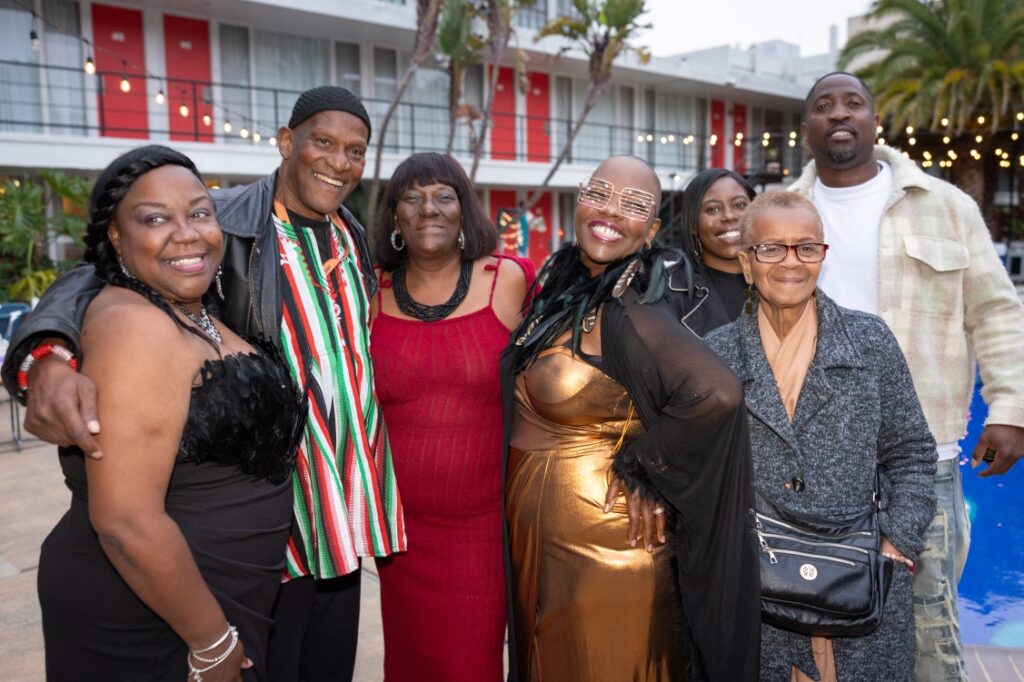
From L to R: Jeanette Driskell, GLIDE Safety, Mimi Paris-Dickerson (GLIDE Pre-School teacher, dressed in gold), and Cecil Brathwaite, GLIDE Safety Shift Lead (light colored jacket)

GLIDE’s Young Professionals Committee turned out over 200 GLIDE supporters to the Pheonix Hotel last Friday to honor the awardees of the Rev. Cecil Williams and Janice Mirikitani Legacy Awards. Every year, not only does the Summer Gala raise money for GLIDE’s vital programs and services, but it honors leaders who are carrying Jan & Cecil’s torch forward.

Roberto Hernandez summer gala 2025
Legacy Awardee Roberto Hernandez

Roberto Y Hernandez, the Receipient of the Rev. Cecil Williams Legacy Award, reminisced during his acceptance speech about the way Rev. Cecil mentored him when he was a young activist. One of his fondest memories was how Cecil insisted on a donation of 200 front-row seats for low-income people when he was invited to a concert. 

Renowned for his dedicated organizing for youth education, food security, and housing security in the Mission, Roberto also had a warning for the audience. “They have a war against Latinos in this country right now. They are kidnapping our people!” he said. Then he urged the audience to “make ten phone calls this weekend,” urging their friends and family to get involved in GLIDE and other organizations that fight for the marginalized.

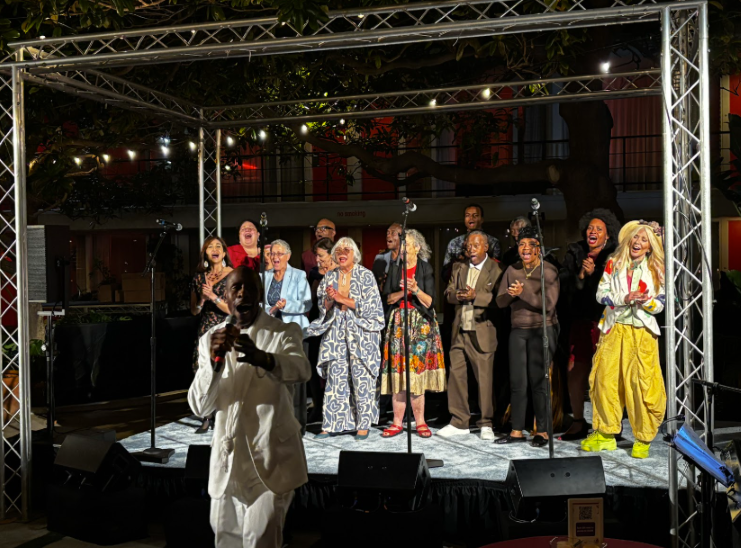
But despite the serious purpose of the event, the evening was far from solemn. There was also drinking, dancing, laughing, talking, a silent disco, and a rousing performance from the Glide Ensemble.

We were blessed with remarks from several government leaders, including State Senator Scott Weiner, and Assemblymember Matt Haney. They commented on the importance of GLIDE and the Tenderloin in the fight for San Francisco’s legacy of diversity, inclusion, and love.

Teresa Goines summer gala 2024
Legacee Awardee Teresa Goines
scott wiener summer gala 2025
Senator Scott Wiener addresses the Summer Gala audience
Marvin and ensemble summer gala
Dotcom leads the Glide Ensemble

Until next year, folks!

tami 2025

Tami with her son Anthony outside of Glide Memorial Church 

When Tami stepped off a train into San Francisco three years ago, she carried almost nothing—just the clothes on her back—and a quiet determination that things had to change. Her arrival was the culmination of years spent surviving on the margins: childhood loss, decades of addiction, and life in a dangerous riverbed outside Madera County. What followed was not a sudden miracle but a slow, stubborn rebuilding—shelter, treatment, community, and the steady work of reclaiming a life. 

Tami’s childhood was marked by devastating loss. “My childhood was very unstable—my mother was murdered when I was seven. My brother and I found her lifeless body after returning from the corner store. By the time I was eleven, my father had left us.”   
The siblings entered Oregon’s foster-care system and, according to Tami, moved through more than 150 foster homes and/or shelters before she aged out at eighteen. Despite that instability, she finished high school and became a young mother to now three grown sons. 

As an adult, Tami struggled with drug abuse, in particular, methamphetamines. It led to repeated homelessness. For years she lived in a riverbed with her partner and others—a place with no services, constant danger, and few options for help. The assault she experienced there became the brutal turning point in her life.  Raped by four men, Tami knew she could no longer protect herself. “I needed help. I had to get away,” she says. That crisis—along with encouragement from others and, later, a train ticket a counselor gave her—led her to San Francisco. 

Her first stop in the city was HealthRight 360 (a Walden House program), where she entered drug treatment and completed the program. From there she moved into a step-down placement and kept looking for support. GLIDE emerged as a lifeline: a free meal became a doorway into community. She spent time at the Women’s Center, began making friendships, and slowly relearned how to be part of a community that did not revolve around survival on the streets. 

Work prospects soon followed through Glide’s network.  She lives a couple of blocks away at a local Salvation Army residence. The job would be modest but meaningful: routine, purpose, and the dignity of contributing. 

Faith and education are central to Tami’s recovery. She speaks of finding God later in life—an experience that reshaped how she sees herself and her future. She also completed Episcopal Community Services’ (ECS) case-management program (Reach Program, Cohort 18) and is working to convert that training into college credits, with an eye toward a bachelor’s degree someday. 

A new chapter is also unfolding: Tami’s 40-year-old son, Anthony, who arrived in San Francisco recently after serving time in jail. He has entered treatment at HealthRight 360. “We’ll both be at Celebration services at Glide Memorial Church on Sunday,” she says, voice bright with hope. The counselor who once gave her a train ticket helped start a cycle of care that is now, improbably, bringing mother and son together in recovery. 

Tami’s story is not a tidy redemption tale. It is a history of grief endured, harm suffered, help accepted, and slow, steady rebuilding. Clinics and nonprofits provided pathways out; a contractor offered work; a counselor handed her a ticket. “I received help when I needed it. I also found faith in God and Jesus, which has changed my understanding about my life.” 

Tami’s persistence has carried her forward. She now tells everyone she meets about the assistance that enabled her to make the changes necessary in her life to begin living again. “If GLIDE helped me, it can help anyone.” 

lateefah simon glide 2025 august

“God is not finished with this country. Our creator knows what comes next. A promise on His lips. Morning is on the way. Morning– that looks like healthcare when you need it, and food when you’re hungry.”

Congresswoman Lateefah Simon’s words rang out across a packed sanctuary, her voice carrying both defiance and deep conviction. She spoke to truth and justice in a way that mirrors GLIDE’s values of radical inclusion and unconditional love.

Framing the moment as a struggle between darkness and light—between midnight and morning—Lateefah reminded us that GLIDE stands as an anchor in troubled times. As cameras rolled and the Glide Ensemble swayed behind her, she called the community to action.

“What do we do at midnight?” she asked. “GLIDE has taught us what to do. We shout from the rafters and practice grace with a backbone. Grace tells the truth about harm. Grace never confuses accountability with abandonment. Grace stitches together what policy tries to tear apart.”

lateefah simon church sanctuary 2025 august

A rising force in the U.S. House of Representatives, Congresswoman Simon spoke with urgency about the storms already breaking over poor people, queer people, and immigrants. “God meets us not after the storm, but during the storm,” she said, giving language to the daily struggles of those most marginalized.

Yet her message was not despair—it was persistence, resilience, and hope. She called us to believe in the possibility of morning and to fight for it together. She left us with this charge:

“When they go low, we fight back.”